
The version of record of this op-ed was published in Yellowknifer on October 15, 2026.
By Jax Jacobsen (Strategic Communications Lead, Geothermal Energy Office, Cascade Institute) and Emily Smejkal (Policy Lead, Geothermal Energy Office, Cascade Institute)
With the Ekati diamond mine closing early, Yellowknife has to rethink what will drive its economy next. Jax Jacobsen and Emily Smejkal argue that the biggest barrier to growth in the North is energy: the NWT grid leans heavily on hydropower, and drought-driven low reservoirs have caused outages and pushed the territory's power corporation back onto costly, high-emission diesel.
Their answer is geothermal. The heat beneath Yellowknife itself is best suited to heating buildings, but power-grade resources lie south of Great Slave Lake, near Hay River and other South Slave communities. If the proposed Taltson hydro expansion connects the South Slave and North Slave grids, electricity generated there could flow straight to Yellowknife. With enhanced geothermal systems now delivering utility-scale power and drilling costs falling fast, they write, steady, low-cost, low-emission geothermal power could give the city the foundation for a new Northern industrial base.
Read the full op-ed in Yellowknifer.
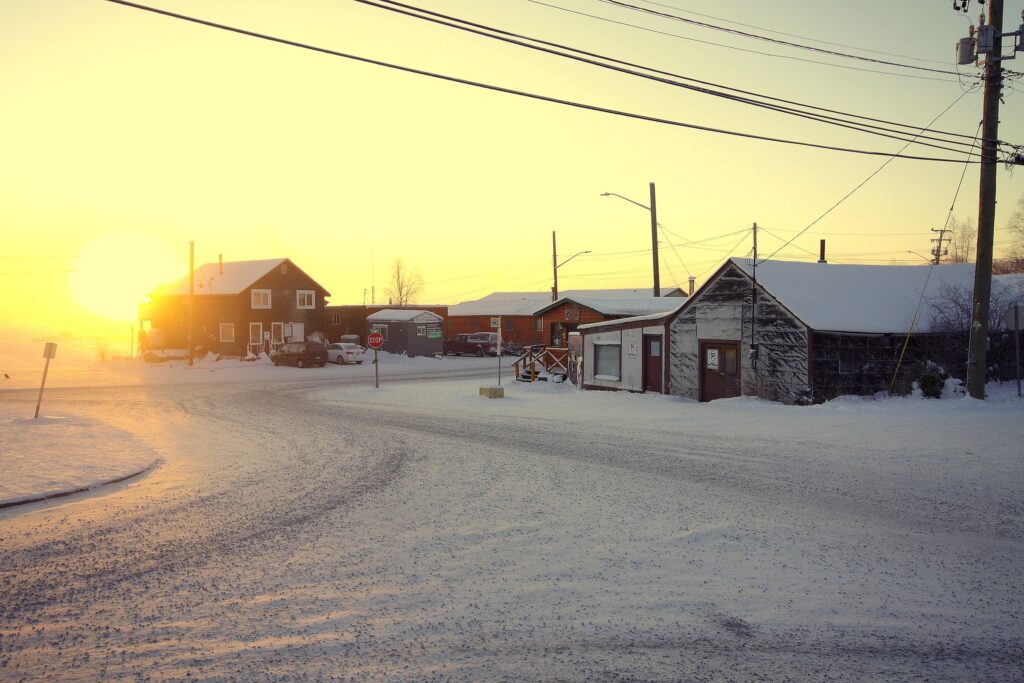
Featured image: Old Town Yellowknife by Mike Tidd, CC BY 2.0, via Wikimedia Commons.

.jpg)