
As an active partner in the Accelerating Community Energy Transformation initiative, the Cascade Institute brings system theory analysis and complex problem-solving experience, unlocking high-leverage interventions like ultradeep geothermal to accelerate community energy transformation.
Cascade Institute research-in-action supports the ACET initiative by providing:
- Expertise on the complex nature of energy transition
- Methods for systems-based thinking
- Strategies for addressing complex challenges
- Insights into worldviews and ideological beliefs about energy transition
- Solutions to scale and accelerate community-focused energy transitions
Cascade Institute ACET research is focused on the following Strategic Research Areas (SRAs):
- Ultradeep geothermal power systems (SRA1 - Technical)
- Complex systems theory and approaches (SRA5a)
- Worldviews and approaches; applying Cascade Institute WIT framework (Worldviews, Institutional and Technologies) (SRA5c)
- High-leverage intervention points that will link local, community-based system innovation to broader systemic transformation (SRA6 - Scale-up and Acceleration)
Key Cascade Institute-ACET research collaborations:
- Indigenous Peoples and Local Communities Geothermal (IPLC) Handbook: Cascade Institute collaboration with with Fort Nelson First Nation and the Tu Deh-Ka Geothermal project to develop an IPLC Handbook while exploring research support for Tu Deh-Kah's business case planning and operational geothermal power plant development.
- Cumberland mine water geo-exchange systems: Cascade Institute research and guidance supports early stages of this project with the University of Victoria and the Village of Cumberland by providing underground mine shaft location data, geological assessments, and expertise on vertical well drilling options.
Additional project support. Other ACET-related Cascade Institute research and reporting includes:
-
- Drilling for superhot geothermal energy: A technology gap analysis and Prospecting for superhot rock energy: A technology gap analysis for siting and characterizing superhot rock energy resources: ACET supported the development of two reports (in a series of five) co-published by the Cascade Institute and Clean Air Task Force to propel geothermal technology— and the emerging geothermal power industry—forward.
- Ultradeep geothermal research and action roadmap: A plan to advance ultradeep geothermal power—that is, geothermal systems with depths greater than 5 km—to commercial operation in Canada.
- AOSTRA: A model for funding geothermal innovation: A case study examining the tested AOSTRA (Alberta Oilsands Technology and Research Authority) model for industry innovation acceleration to unlock deep geothermal power.
QUICK LINKS
🌐 Accelerating Community Energy Transformation (ACET)
📝 Cascade Institute energy team deepens remote community connections in Whitehorse
Related Research & Analysis
Groundwork: Regulatory guidelines for making Canada a geothermal powerhouse
Deep Geothermal program
Emily Smejkal, Princess Sharlynne Cosalan, Stephanie Rose Cortinovis
A report identifying best practices to help Canadian provinces establish effective geothermal regulations and make Canada a global clean energy leader.
AOSTRA: A model for funding geothermal innovation
Deep Geothermal program
Emily Smejkal, Peter Massie, Leighton Gall
A case study of the Alberta Oil Sands Technology and Research Authority (AOSTRA) as a model for kickstarting geothermal innovation.
Prospecting for Superhot Rock Energy
Deep Geothermal program
Rebecca Pearce et al.
A technology gap analysis for siting and characterizing superhot rock energy resources.
Ultradeep Geothermal Research and Action Roadmap
Deep Geothermal program
Leighton Gall, Dave Lovekin, Rebecca Pearce, Emily Smejkal
A roadmap outlining a plan to advance ultradeep geothermal power to commercial operation in Canada.
Deep Geothermal Superpower: Canada’s potential for a breakthrough in enhanced geothermal systems
Ian Graham, Ellen Quigley, Scott Janzwood, and Thomas Homer-Dixon
An opportunity analysis that makes the case that Canada can and should become the global leader in ultra-deep geothermal electricity production.Related News & Views
Time to dig deep into a strategy for geothermal power
Peter Massie and Emily Smejkal
The Hill Times
Canada's opportunity to become a leader in geothermal power.
IEA Future of Geothermal report: Cascade Institute reaction
Cascade Institute Deep Geothermal program team
Recent technological innovations have dramatically expanded geothermal's potential as a significant contributor to global electricity generation. By 2050, experts project geothermal will emerge as the third-largest source of power growth in the global renewable energy landscape. (PDF).
Breaking new ground: Geothermal in 2024
Peter Massie
Cascade Institute analysis
Technology breakthroughs have given geothermal a completely new value proposition.
Deep geothermal superpower: Positioning Canada for a breakthrough in next-generation geothermal systems
Deep Geothermal program team
Cascade Institute announcement
The case for ultradeep geothermal energy and a strategic plan for Canada to capture this technological opportunity.

Canada needs to dig deep to become a world leader in geothermal technology
Rebecca Pearce and Ian Graham
The Globe and Mail
A worldwide race for next-generation geothermal technology has begun, and Canada can still emerge a leader.
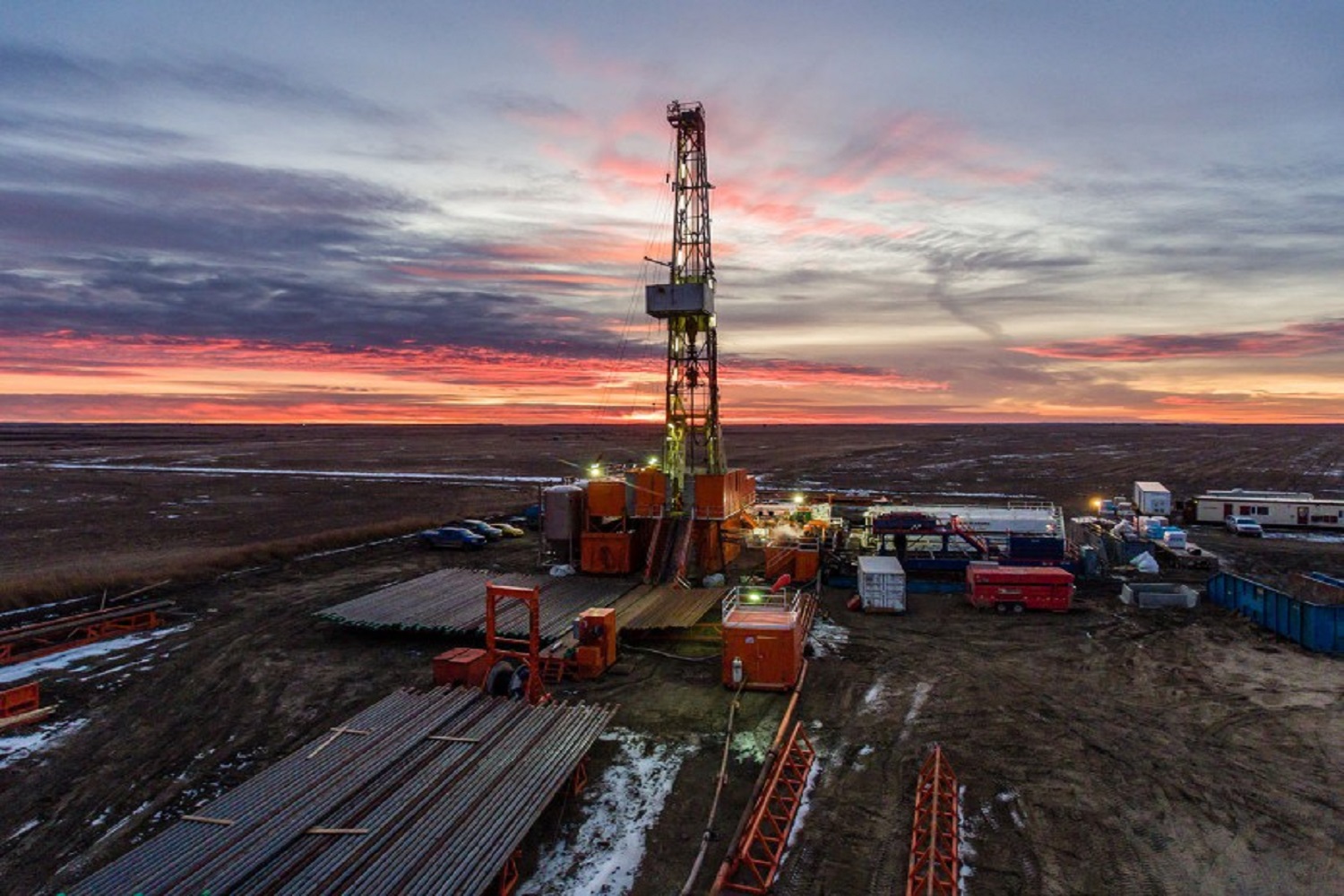
A big bet on geothermal could help prevent a climate catastrophe
Thomas Homer-Dixon, Ian Graham, and Ellen Quigley
The Globe and Mail
A government-industry research and development partnership in ultradeep geothermal would be a “moonshot” project that Canadians could rally around.
