
Cascade Institute researchers are committed to understanding the drivers of polarization in Canada and around the world. Using these insights, we develop new solutions to counter the anti-democratic effects of growing polarization and implement them at scale.
The de-polarization stream of Cascade's democracy program seeks to discover the key forces driving increases in polarization in Canada and around the world—and how they might be countered.

De-Polarization Research & Analysis

National Service to Support Community and National Security: A preliminary outline of components, implementation, and costs
Democracy program
David Last
A policy brief prepared for the Office of the Prime Minister for the development of a National Service initiative.
Defending Canada’s Democracy
Democracy program
Cascade Institute fellows and staff
A strategic framework for building Canada's economic and social resilience.
Catastrophic Dehumanization: A formal model
Democracy program
Thomas Homer-Dixon
A formal model that seeks to explain the causal mechanisms of sudden dehumanization in situations of extreme conflict.
National Service to Support Community and National Security: A preliminary outline of components, implementation, and costs
Democracy program
David Last
A policy brief prepared for the Office of the Prime Minister for the development of a National Service initiative.
Defending Canada’s Democracy
Democracy program
Cascade Institute fellows and staff
A strategic framework for building Canada's economic and social resilience.
Catastrophic Dehumanization: A formal model
Democracy program
Thomas Homer-Dixon
A formal model that seeks to explain the causal mechanisms of sudden dehumanization in situations of extreme conflict.De-Polarization News & Views
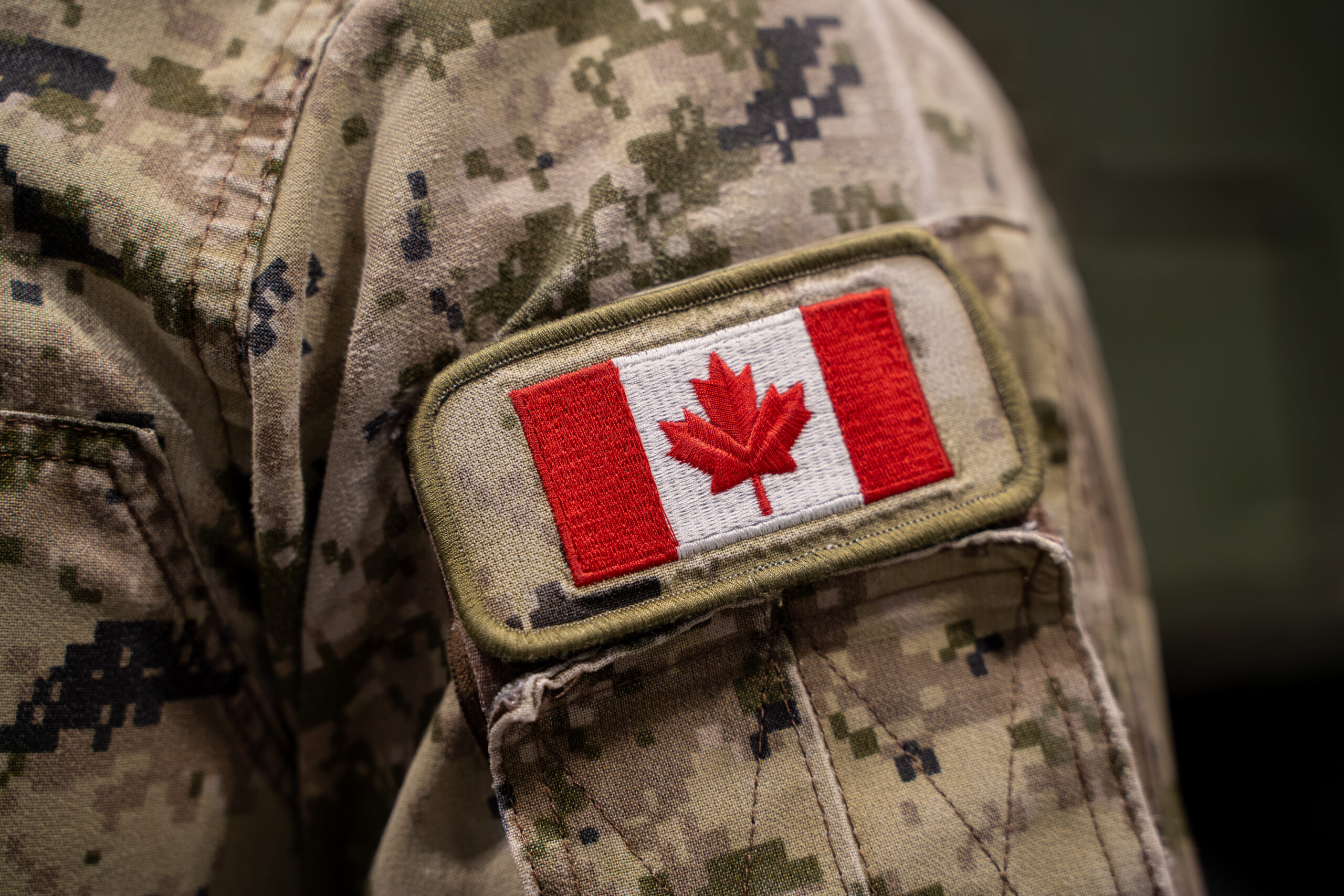
How stiff is Canada’s spine? A poll suggests we may be ready to sustain the costs of our newfound defiance
Thomas Homer-Dixon and Toby Shannan
The Globe and Mail
Polling data shows most Canadians across the political spectrum are rallying round the Maple Leaf.

The Guardian cites Thomas Homer-Dixon as fears resurface of U.S. coercion against Canada
Thomas Homer-Dixon
The Guardian
The Guardian drew on the perspectives of Thomas Homer-Dixon to make sense of renewed Canadian anxieties about U.S. coercion and the sudden fragility of longstanding geopolitical alliances.
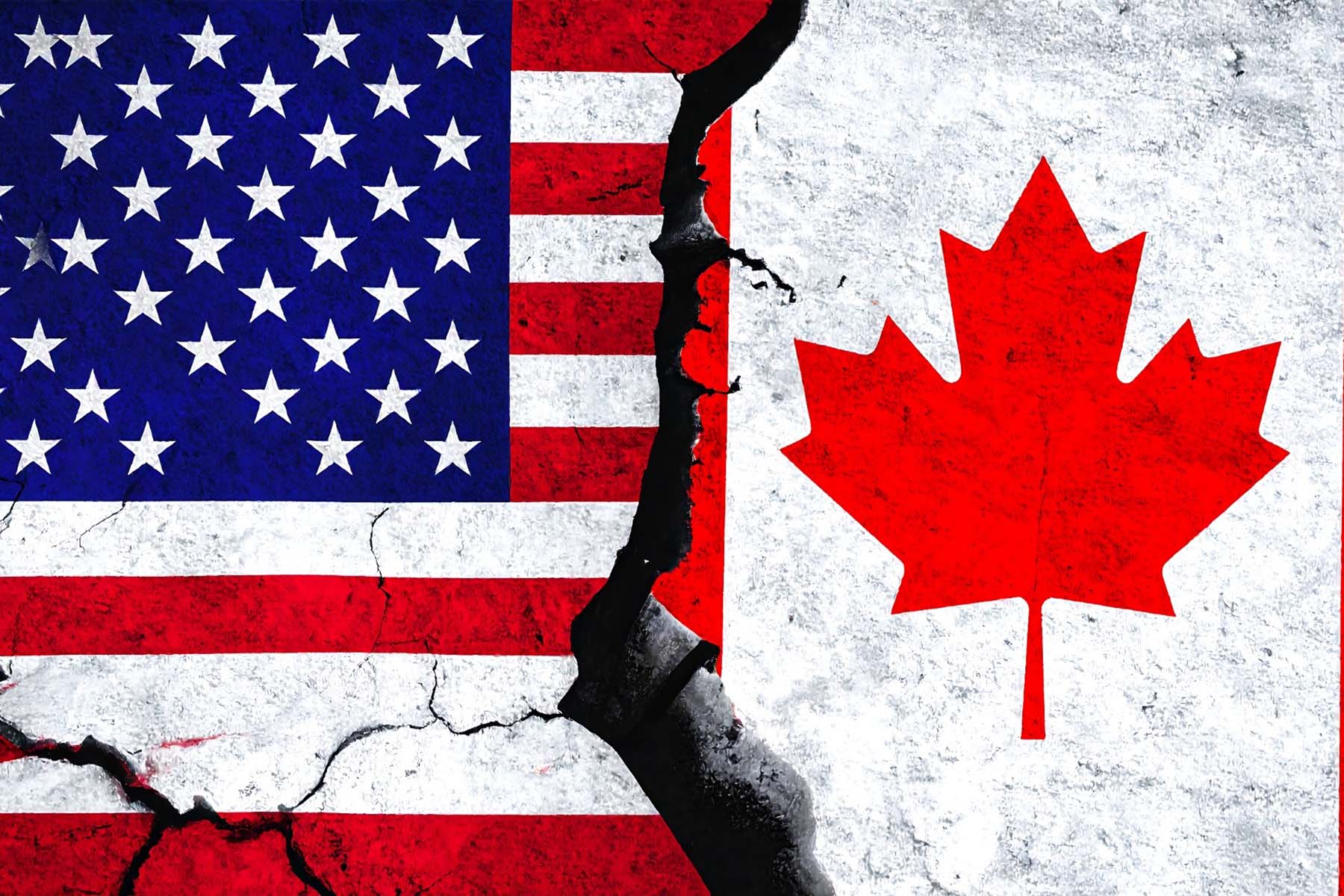
Canada must consider the risk of U.S. coercion
Thomas Homer-Dixon and Adam Gordon
The Globe and Mail
Canadians must confront the new reality that the U.S. could use military coercion against Canada, argues a Globe and Mail op-ed co-authored by Cascade Institute Executive Director Thomas Homer-Dixon and Adam Gordon, an affiliated Cascade researcher and former legal adviser to Canada’s Minister of Foreign Affairs.

Would you die for Canada? Polling suggests Canadians are more willing to fight for their country
Thomas Homer-Dixon and Toby Shannan
The Globe and Mail
Polling data shows most Canadians are willing to fight to defend their country against military attack.

Anti-democratic ‘Dark Enlightenment’ ideas have spread from Silicon Valley to Washington
Christopher Collins
The Globe and Mail
A spotlight on the growing influence of the anti-democratic 'Dark Enlightenment' philosophy among U.S. tech and political elites and its potential consequences for Canada.

It’s time to create a new national service
David Last and Thomas Homer-Dixon
Toronto Star
New and voluntary national service programs are needed to defend Canadian sovereignty.

Understanding the ideological drivers of Russia’s war in Ukraine
Jonathan Leader Maynard
Cascade Institute Speaker Series
The critical role of ideology in Russia's war against Ukraine.

On disinformation: A conversation between the Cascade Institute’s Thomas Homer-Dixon and James Hoggan of the David Suzuki Institute
Thomas Homer-Dixon
David Suzuki Institute interview
How information overload in digital spaces fuels negativity and division.
How stiff is Canada’s spine? A poll suggests we may be ready to sustain the costs of our newfound defiance
Thomas Homer-Dixon and Toby Shannan
The Globe and Mail
Polling data shows most Canadians across the political spectrum are rallying round the Maple Leaf.
The Guardian cites Thomas Homer-Dixon as fears resurface of U.S. coercion against Canada
Thomas Homer-Dixon
The Guardian
The Guardian drew on the perspectives of Thomas Homer-Dixon to make sense of renewed Canadian anxieties about U.S. coercion and the sudden fragility of longstanding geopolitical alliances.
Canada must consider the risk of U.S. coercion
Thomas Homer-Dixon and Adam Gordon
The Globe and Mail
Canadians must confront the new reality that the U.S. could use military coercion against Canada, argues a Globe and Mail op-ed co-authored by Cascade Institute Executive Director Thomas Homer-Dixon and Adam Gordon, an affiliated Cascade researcher and former legal adviser to Canada’s Minister of Foreign Affairs.
Would you die for Canada? Polling suggests Canadians are more willing to fight for their country
Thomas Homer-Dixon and Toby Shannan
The Globe and Mail
Polling data shows most Canadians are willing to fight to defend their country against military attack.
Anti-democratic ‘Dark Enlightenment’ ideas have spread from Silicon Valley to Washington
Christopher Collins
The Globe and Mail
A spotlight on the growing influence of the anti-democratic 'Dark Enlightenment' philosophy among U.S. tech and political elites and its potential consequences for Canada.
It’s time to create a new national service
David Last and Thomas Homer-Dixon
Toronto Star
New and voluntary national service programs are needed to defend Canadian sovereignty.
Understanding the ideological drivers of Russia’s war in Ukraine
Jonathan Leader Maynard
Cascade Institute Speaker Series
The critical role of ideology in Russia's war against Ukraine.
On disinformation: A conversation between the Cascade Institute’s Thomas Homer-Dixon and James Hoggan of the David Suzuki Institute
Thomas Homer-Dixon
David Suzuki Institute interview
How information overload in digital spaces fuels negativity and division.
