
The Arctic is warming four to seven times faster than the global average. The carbon trapped in the permafrost is released in the form of carbon dioxide and methane, reinforcing the climate warming that is already causing increased thaw. This phenomenon is called the permafrost carbon feedback.
This heating is disrupting vast ecosystems across the Arctic and threatening the lives, livelihoods, and cultures of Northerners. It is also driving changes below the surface, threatening our efforts to limit further heating.
The Permafrost Carbon program aims to raise awareness of the climate threat posed by permafrost carbon feedback and build the political will and incentives to develop technologies and strategies to slow the rate of permafrost thaw.
Working in collaboration with the Woodwell Climate Research Center and the Arctic Initiative at the Harvard Kennedy School, the program advances research in two key areas and provides guidance to policymakers, community leaders, and researchers:
- Strategies, technologies, and policies for mitigating permafrost thaw
- Links between permafrost thaw and wildfires
There is an urgent need for both enhanced collaboration among researchers and policymakers, and immediate mitigation measures targeting permafrost thaw.

PUBLISHED RESEARCH
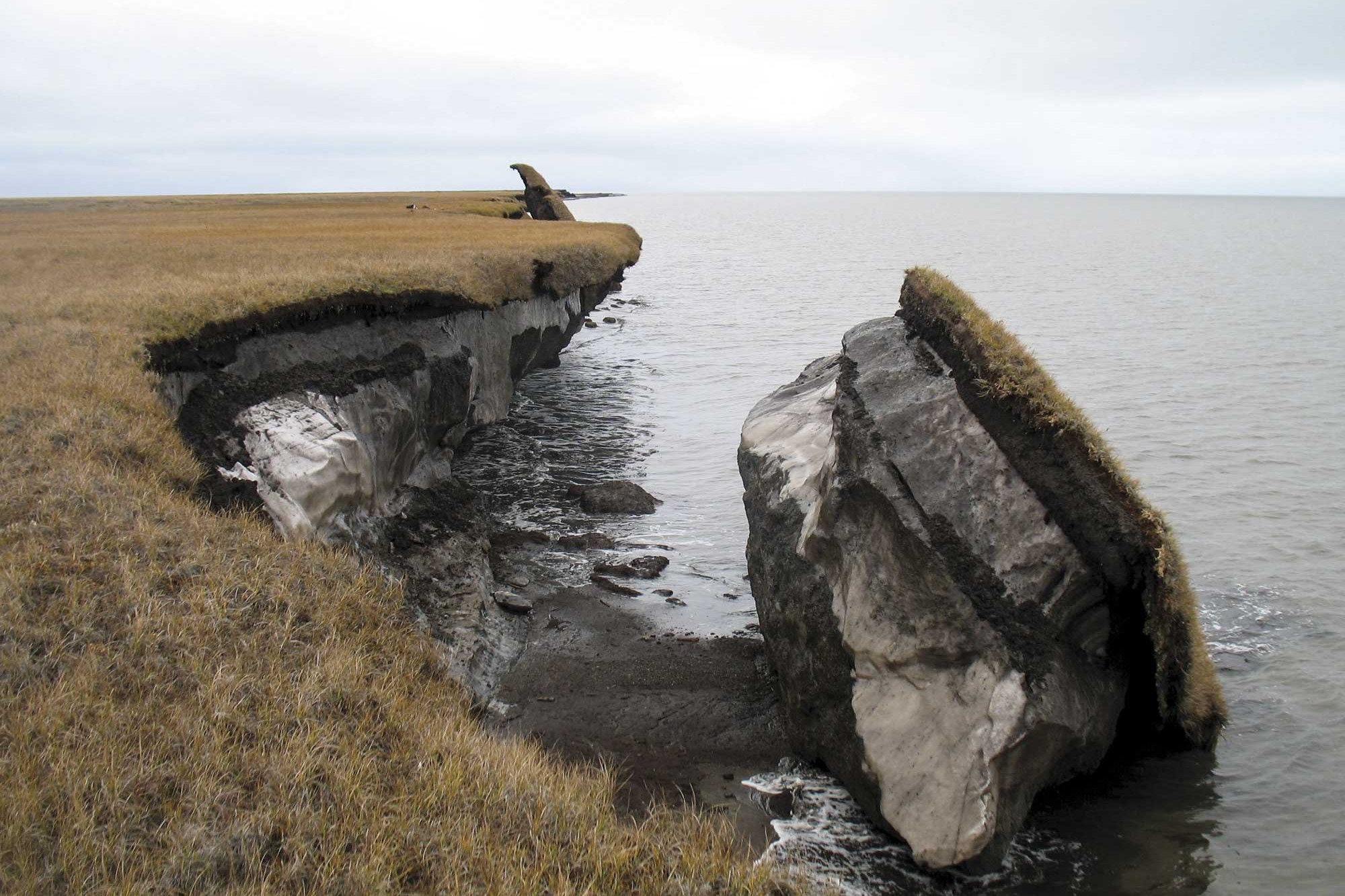
Protecting Permafrost: Addressing the climate threat of Arctic thaw
Permafrost carbon program
Ian Graham
A report assessing the climate threat of Arctic permafrost thaw, potential interventions to address it, and related policy recommendations.
Protecting Permafrost: Addressing the climate threat of Arctic thaw
Permafrost carbon program
Ian Graham
A report assessing the climate threat of Arctic permafrost thaw, potential interventions to address it, and related policy recommendations.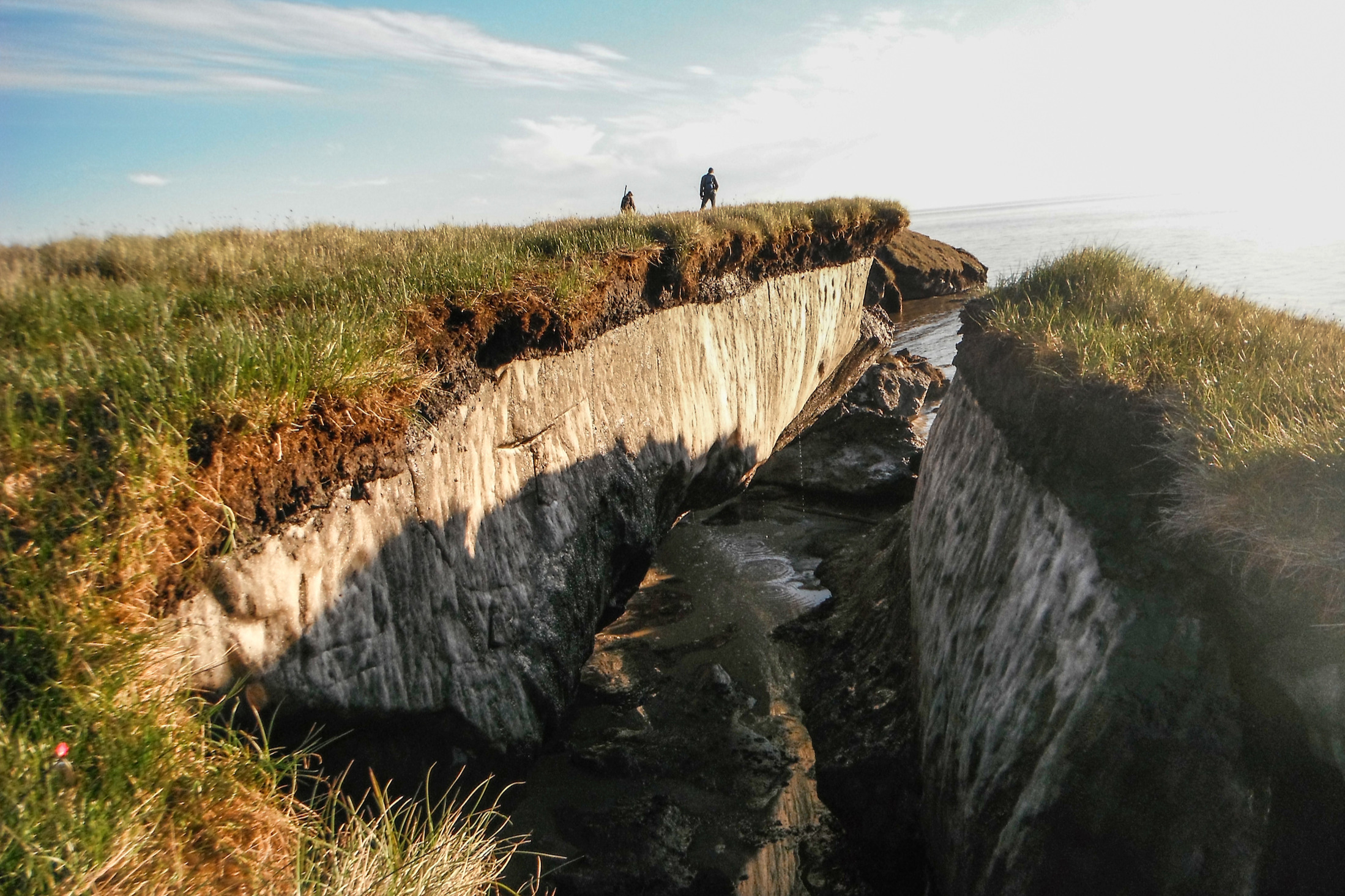
Canada must lead on permafrost protection
Ian Graham and John Jensen
The National Observer
Permafrost is already thawing and that thaw is accelerating. We need to understand the challenge and start dealing with it, before it’s too late.
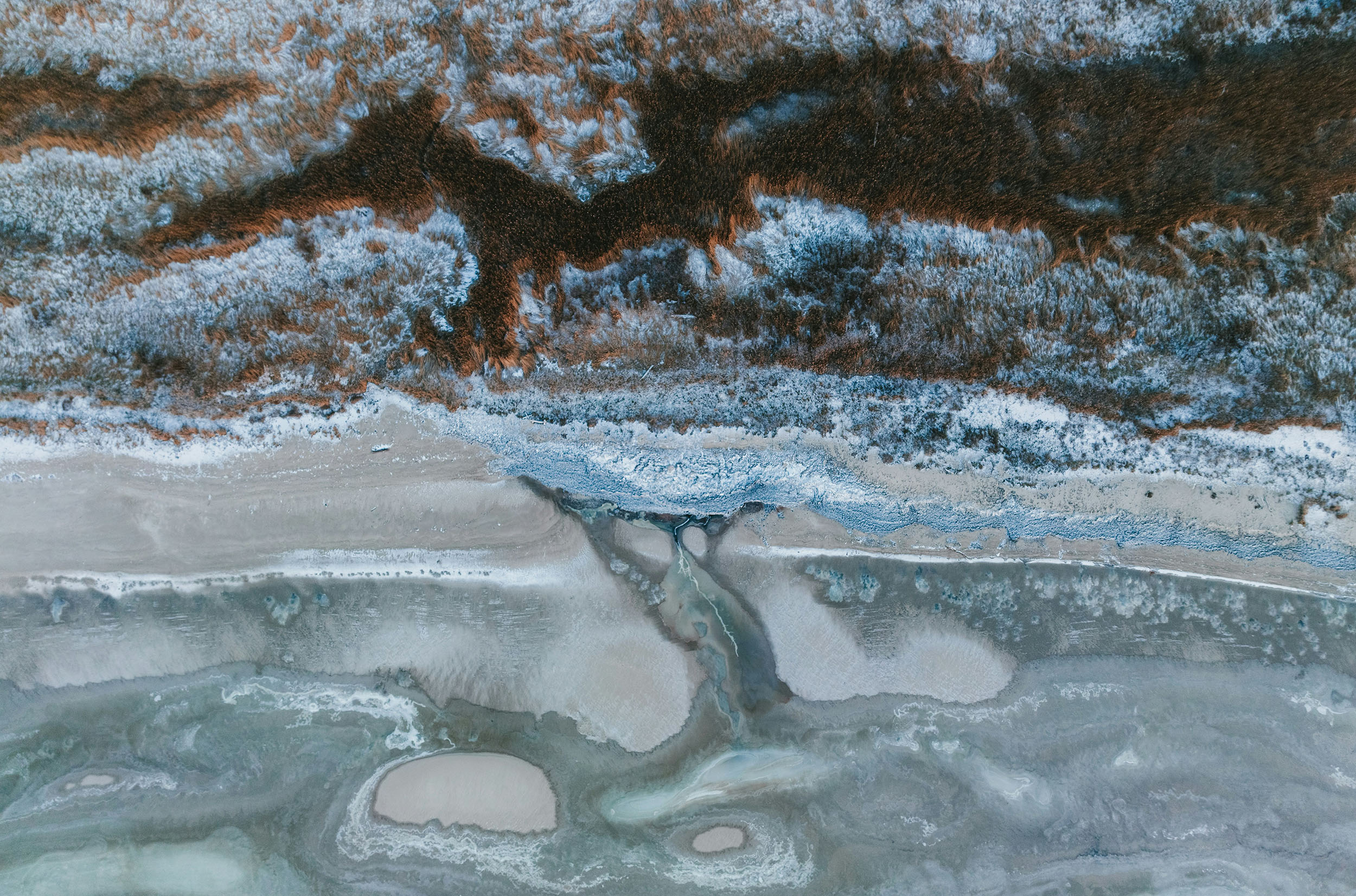
Canada’s thawing permafrost should be raising alarm bells in the battle against climate change
Thomas Homer-Dixon and Duane Froese
The Globe and Mail
Canada has an opportunity to set up monitoring and remote sensing technologies to measure permafrost thaw.
Climate change and Permafrost carbon feedback demand urgent action – and much more research
Permafrost carbon feedback is reducing the opportunity to avoid global climate crisis

Permafrost carbon feedback: Experts share their reading recommendations
Climate geoengineering options: Practical, powerful, and to be avoided if possible
Permafrost carbon feedback requires urgent, collaborative attention
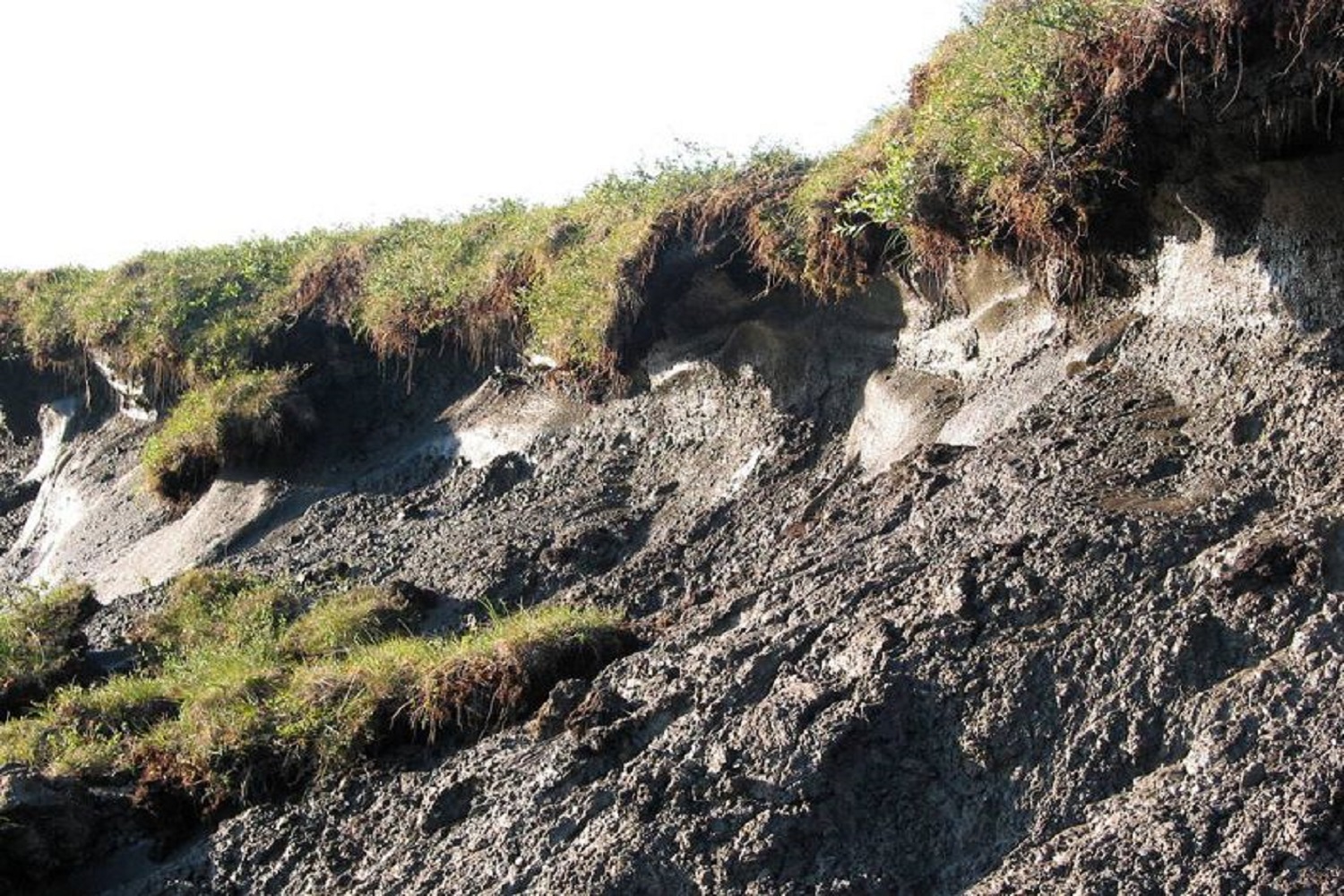
Permafrost carbon feedback could be the disaster that saves us all
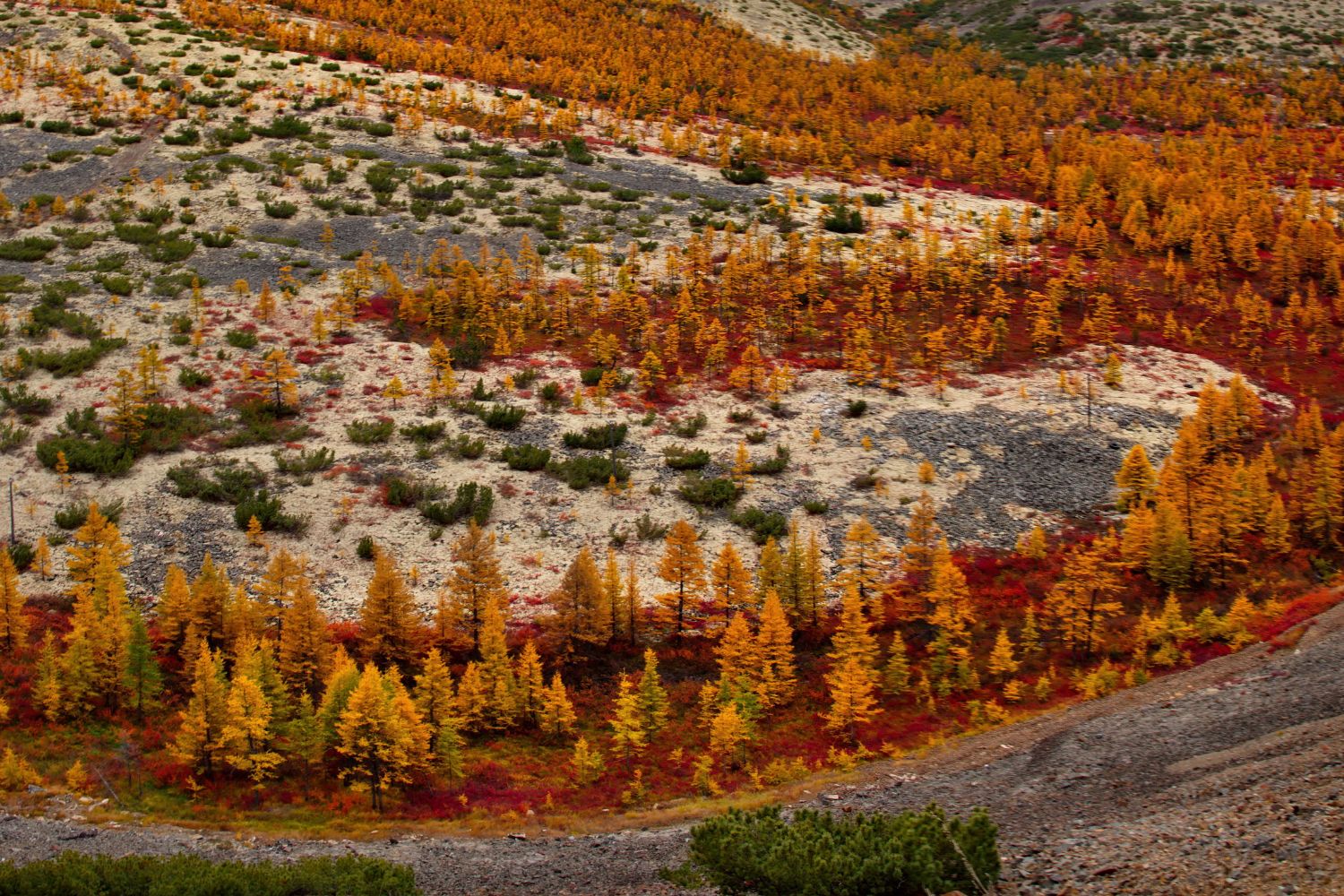
Thawing permafrost is a northern crisis and a global threat
Michael Brown and Duane Froese
The Vancouver Sun
Unconstrained, Canada’s permafrost could be releasing more carbon than is currently being generated by all human activities across the country. This raises three stark concerns and a pressing opportunity.
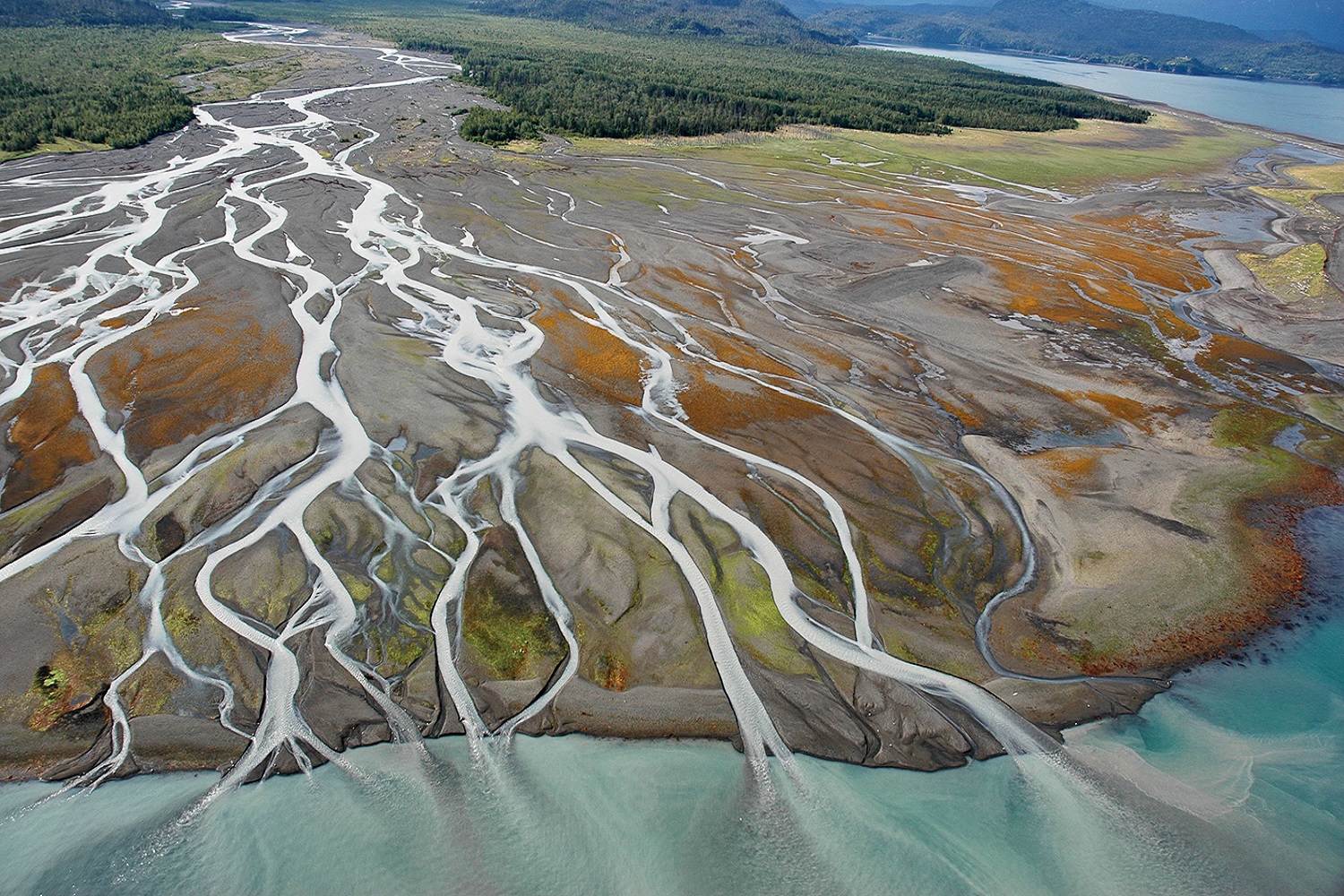
Announcing the Permafrost Carbon Feedback Dialogues
Canada must lead on permafrost protection
Ian Graham and John Jensen
The National Observer
Permafrost is already thawing and that thaw is accelerating. We need to understand the challenge and start dealing with it, before it’s too late.
Canada’s thawing permafrost should be raising alarm bells in the battle against climate change
Thomas Homer-Dixon and Duane Froese
The Globe and Mail
Canada has an opportunity to set up monitoring and remote sensing technologies to measure permafrost thaw.
Climate change and Permafrost carbon feedback demand urgent action – and much more research
Permafrost carbon feedback is reducing the opportunity to avoid global climate crisis
Permafrost carbon feedback: Experts share their reading recommendations
Climate geoengineering options: Practical, powerful, and to be avoided if possible
Permafrost carbon feedback requires urgent, collaborative attention
Permafrost carbon feedback could be the disaster that saves us all
Thawing permafrost is a northern crisis and a global threat
Michael Brown and Duane Froese
The Vancouver Sun
Unconstrained, Canada’s permafrost could be releasing more carbon than is currently being generated by all human activities across the country. This raises three stark concerns and a pressing opportunity.
