
Canadian Thermal Model
Geothermal energy is a major economic and technical opportunity for Canada. Canada has world-class expertise in subsurface resource development, and a need to establish a domestic energy supply that includes clean, firm, renewable power. Research into next-generation geothermal energy generation will unlock vast supplies of renewable heat and electricity for the Canadian energy grid, and these skills can be exported worldwide, generating substantial revenue for Canadian firms while reducing global CO2 emissions.
To integrate geothermal into future-facing energy strategies, a comprehensive resource assessment that can be used for market supply analysis must match the assessments available for other renewable energy technologies, such as interactive wind and solar energy resource maps.
The Canadian Thermal Model will model Canada’s deep geothermal resources from 0–20 km depth, aiming for a spatial resolution of 20 km2. The model will reveal where deep heat can be harnessed to provide clean, firm, renewable energy, and demonstrate Canada’s geothermal opportunity to policymakers and industry. The Cascade Institute has recruited a team of highly qualified geoscientists to perform this analysis with the state-of-the-art Stanford Thermal Model (STM) (Aljubran & Horne, 2024), recently used to map the heat resources of the contiguous USA.
Downstream applications for a national thermal model
- A mutable thermal model that can be updated as further data is acquired to further reduce uncertainty in thermal regimes at depth across Canada
- Techno-economic modelling linking depth-dependent thermal gradients with drilling cost parameters to improve cost-benefit analysis and levelized cost of energy (LCOE) projections
- Foundational tool for industry to consider further, site-specific exploration and project development
- Informs policy and infrastructure decisions by mapping subsurface geothermal potential against surface constraints (e.g., population density, proximity to powerlines) to factor geothermal into clean, baseload energy supply projections
The scientific merit of a Canadian Thermal Model
To acquire a full array of borehole temperature data across Canada’s landscape and at the depths required by deep geothermal technologies is a cost- and time-intensive undertaking that will be outpaced by next-generation geothermal innovation.
Data-driven, statistically grounded thermal modelling techniques are a step forward in estimating temperature regimes at depth and in data-sparse regions. The Canadian Thermal Model will integrate directly sampled temperature data with thermal proxies and geophysical inputs that offer greater depth penetration.
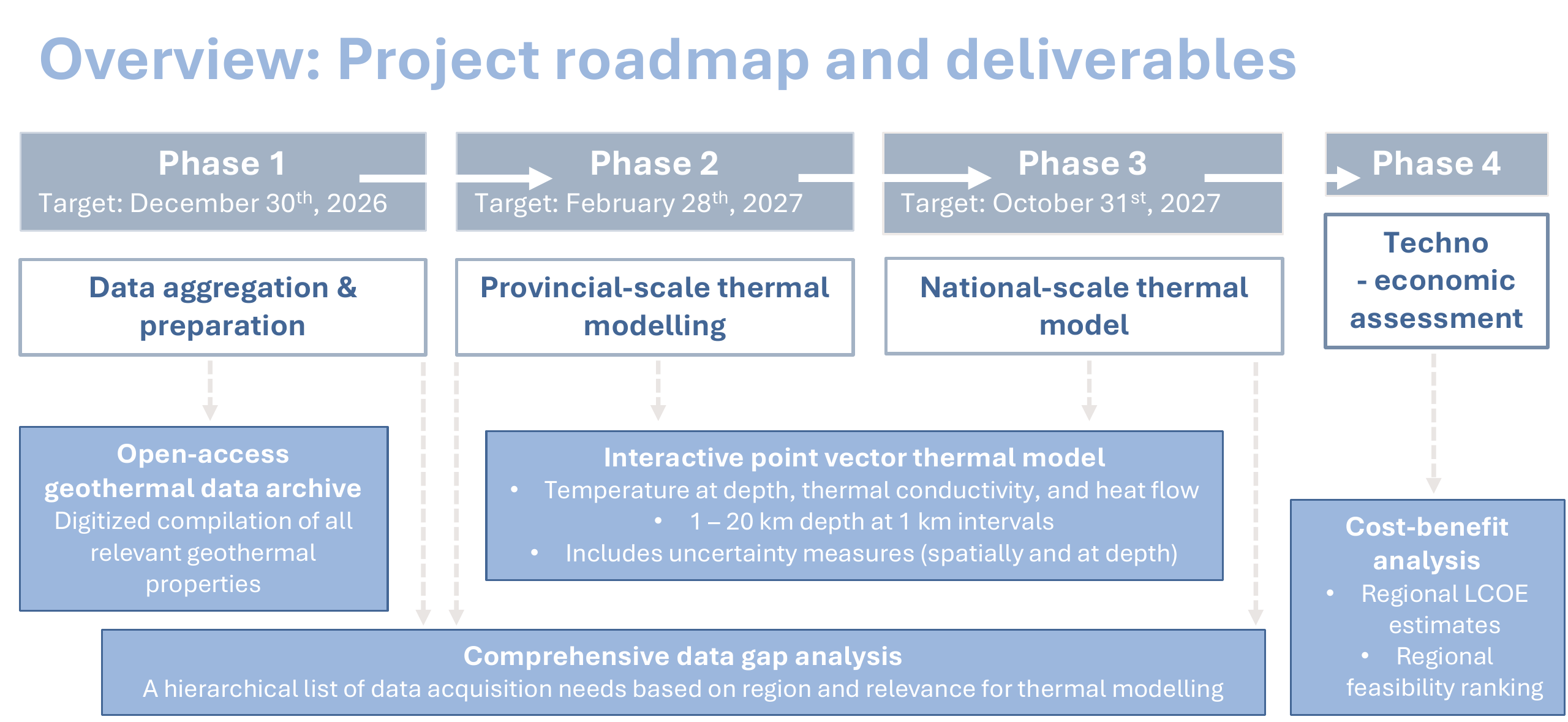
Project roadmap and deliverables
Get in touch
Are you a researcher, regulator, energy company, or government agency with data that could contribute to Canada's comprehensive thermal model? We welcome outreach from data holders, potential collaborators, and anyone interested in supporting or learning more about this work.
Rebecca Pearce (Ph.D.)
Cascade Institute Research Fellow
A geophysicist specializing in magnetotelluric data acquisition, processing, and inversion. Her research is focused on conventional and next-generation geothermal resource characterization, including studies in the Andes, Northern Canada, and Antarctica.

Emily Smejkal (P.Geo.)
Cascade Institute Research Fellow
A professional geologist specializing in subsurface characterization and geothermal systems. Her research applies petrophysical, structural, and geoscience datasets to the assessment, de-risking, and development of geothermal resources.
Mohammad Aljubran (Ph.D.)
400C Energy
An energy engineer specializing in thermal Earth modelling using physics-constrained deep learning algorithms to map geothermal resource potential and characterize subsurface heat systems. He holds a PhD in Energy Resources Engineering from Stanford University.

Mareen Lösing (Ph.D.)
University of Iceland, Australian Centre for Excellence in Antarctic Science (ACEAS)
A geophysicist specializing in geothermal heat flow beneath ice sheets. She uses statistical and machine learning methods to integrate diverse datasets in data-scarce environments, with a focus on reducing uncertainty in heat-flow predictions, critical to Antarctic ice sheet modelling.

Riddhi Dave (Ph.D.)
GSC Pacific Division
A structural seismologist leading multidisciplinary national and international projects to map the deep architecture of continents. She specializes in integrating geophysical datasets to understand craton evolution for applications spanning critical minerals, energy transition, seismic resilience, and societal needs.

Félix-Antoine Comeau (Ph.D.)
INRS
A member of the Research Group on Energy Resources of Québec’s Sedimentary Basins and the Research Chair on the Geothermal Potential of the North. His experience spans subsurface analysis in the St. Lawrence Lowlands and Northern Canada.
Dan Alonso Torres (P.Geo.)
Teverra & Advection Geo
A professional geologist focused on geothermal exploration and subsurface resource evaluation. He combines structural geology, reservoir characterization, and integrated geoscience workflows to support project development, with a track record in advancing geothermal opportunities across diverse geological settings.

400C Energy
A company developing next-generation enhanced geothermal systems built to work in superhot rock. Its team brings expertise in the Stanford Thermal Model methodology used to map the heat resources of the contiguous United States.
INRS
Québec's graduate research university. INRS is home to research on the energy resources of Québec's sedimentary basins and the Research Chair on the Geothermal Potential of the North.
Geological Survey of Canada
Canada's oldest scientific agency, founded in 1842 and now part of Natural Resources Canada. GSC scientists contribute expertise in mapping the deep architecture of the Canadian landmass.

Simon Fraser University
A leading Canadian research university based in British Columbia. SFU earth scientists serve on the project's scientific committee.

geoLOGIC systems
A Calgary-based provider of Canadian energy well and subsurface data, along with the software used to analyze it.

Seequent
A geoscience software company, part of Bentley Systems, whose subsurface modelling tools are used worldwide. Seequent is partnering with the Cascade Institute to build the Canadian Thermal Model.

Trottier Family Foundation
A Montréal-based family foundation supporting climate action, science, education, and health, with a commitment of $150 million by 2030 to fight the climate crisis.

Giving Green
A climate philanthropy initiative that researches and funds high-impact climate solutions, including next-generation geothermal energy.

Accelerating Community Energy Transformation
A University of Victoria–led initiative to which the Cascade Institute brings systems analysis and complex problem-solving, unlocking high-leverage interventions like ultradeep geothermal.
Ultradeep Geothermal Research & Analysis
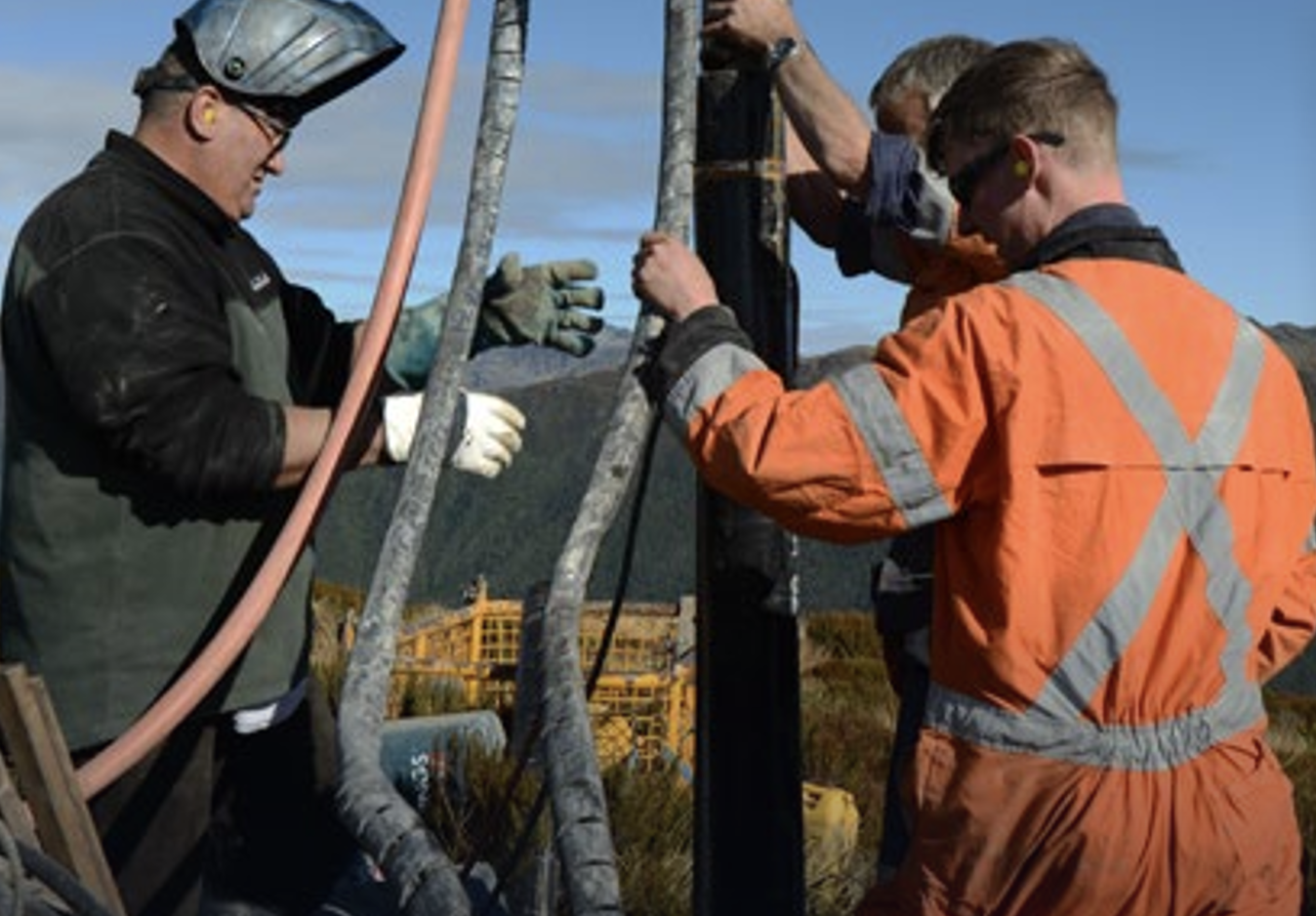
Geothermal Innovation, Intellectual Property, and the Prospects for Canada
Deep Geothermal program
James W. Hinton, Peter Massie, Rachel Wang
An exploration of the IP landscape surrounding geothermal energy.
Deep Listening: Assessing the social acceptance of geothermal energy
Deep Geothermal program
Katherine Matos Meza and Carlos Gorraez Meraz
The first empirical assessment of public perceptions and social acceptance of ultradeep geothermal energy in Alberta and British Columbia.
Geothermal Exploration, Data Sovereignty, and Indigenous Power
Deep Geothermal program
Leighton Gall and Cyndi Bonn
A handbook for empowering Indigenous Peoples to lead the renewable energy transformation while advancing Indigenous sovereignty.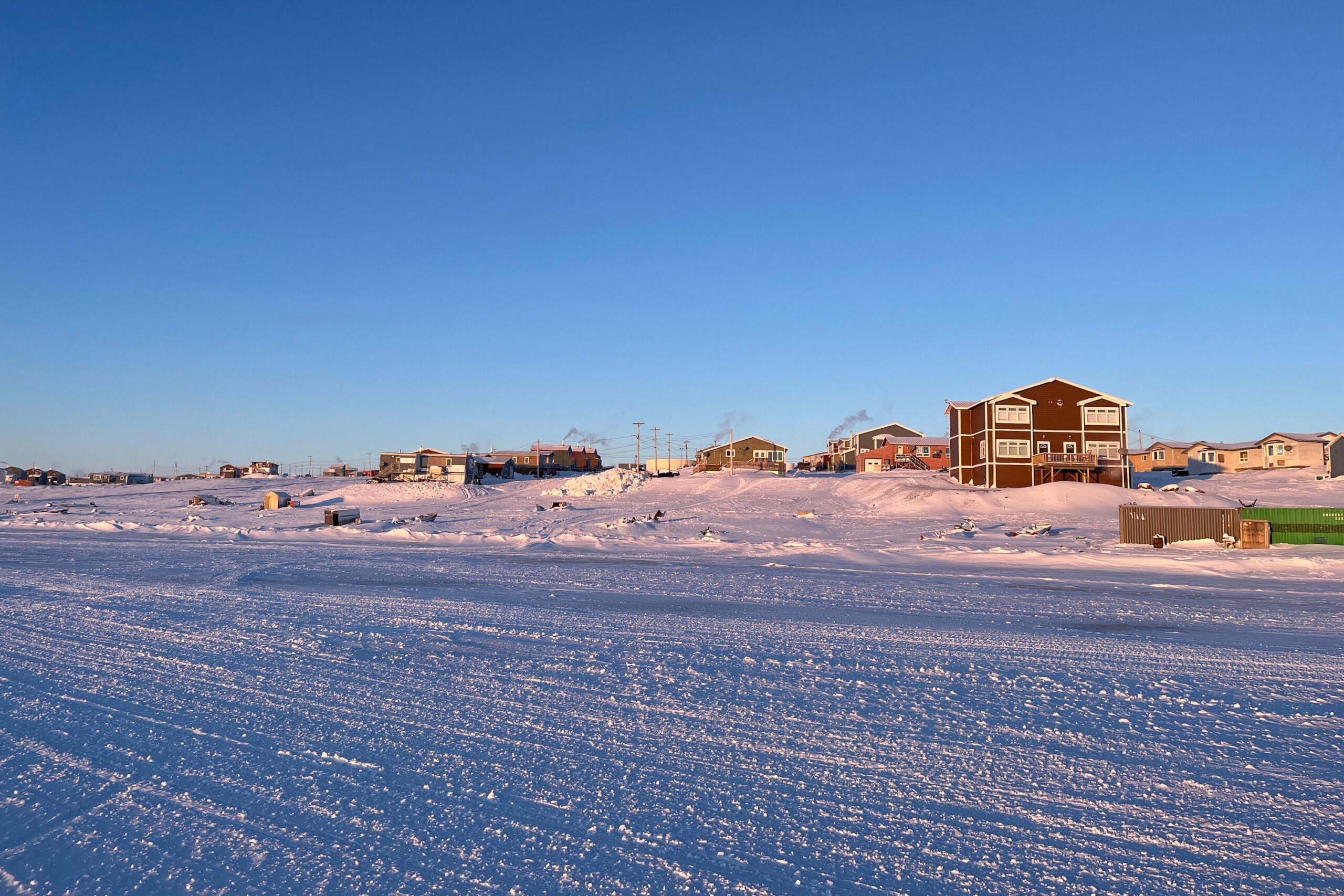
Geothermal Potential in Baker Lake, Nunavut
Deep Geothermal program
Ysaline Bacon
Research to support enhanced geothermal systems in Northern remote communities
The Deep Heat Advantage
Deep Geothermal program
Gordon Brasnett, Megan Eyre, and Peter Massie
A techno-economic analysis of enhanced geothermal systems in western and northwestern Canada
Groundwork: Regulatory guidelines for making Canada a geothermal powerhouse
Deep Geothermal program
Emily Smejkal, Princess Sharlynne Cosalan, Stephanie Rose Cortinovis
A report identifying best practices to help Canadian provinces establish effective geothermal regulations and make Canada a global clean energy leader.
AOSTRA: A model for funding geothermal innovation
Deep Geothermal program
Emily Smejkal, Peter Massie, Leighton Gall
A case study of the Alberta Oil Sands Technology and Research Authority (AOSTRA) as a model for kickstarting geothermal innovation.
Prospecting for Superhot Rock Energy
Deep Geothermal program
Rebecca Pearce et al.
A technology gap analysis for siting and characterizing superhot rock energy resources.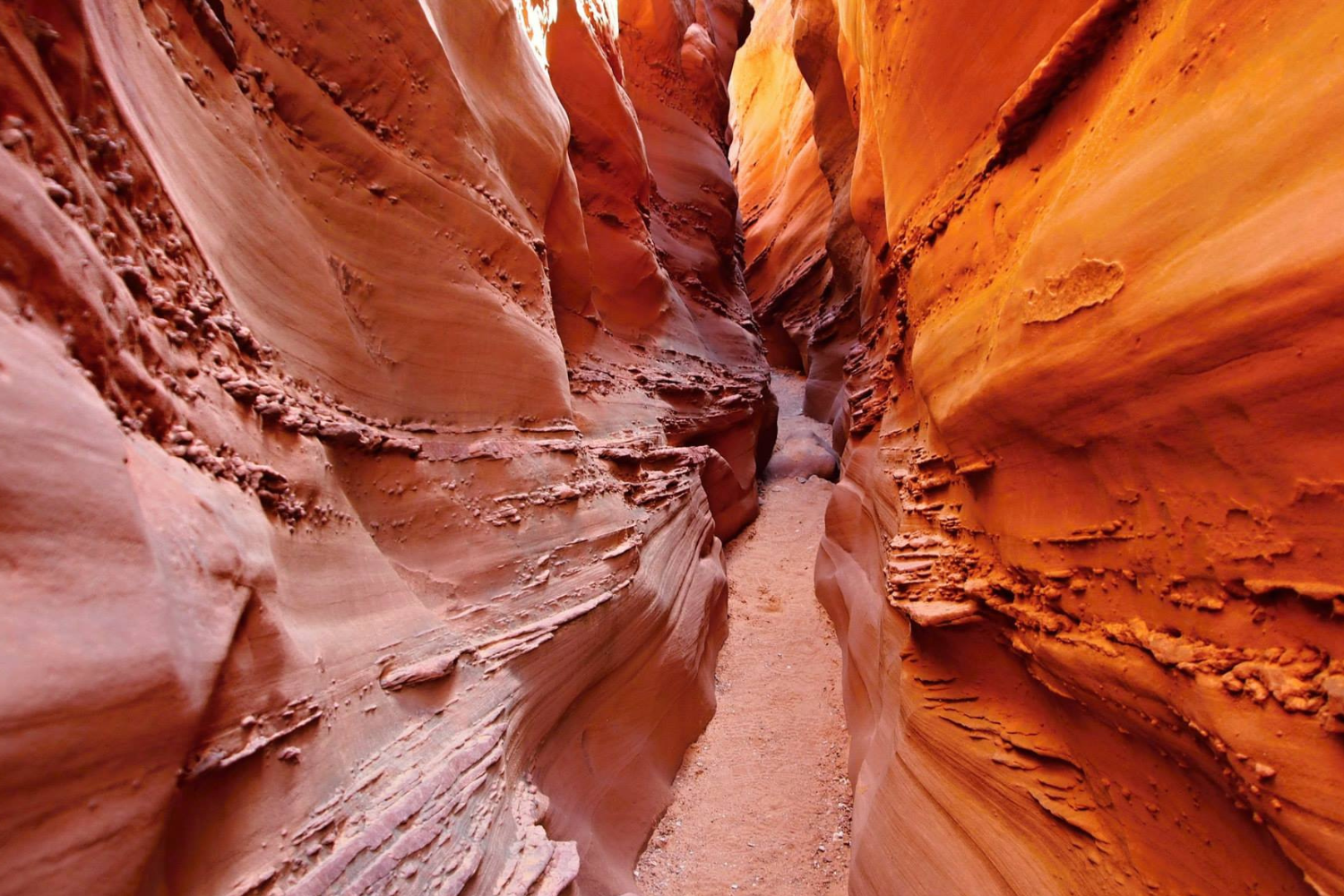
Drilling for Superhot Geothermal Energy: A technology gap analysis
Deep Geothermal program
Rebecca Pearce, Tony Pink
A report that reviews state-of-the-art deep geothermal drilling and well-construction technologies, identifies existing technology gaps, and suggests strategies to overcome these gaps.
Ultradeep Geothermal Research and Action Roadmap
Deep Geothermal program
Leighton Gall, Dave Lovekin, Rebecca Pearce, Emily Smejkal
A roadmap outlining a plan to advance ultradeep geothermal power to commercial operation in Canada.
Deep Geothermal Superpower: Canada’s potential for a breakthrough in enhanced geothermal systems
Ian Graham, Ellen Quigley, Scott Janzwood, and Thomas Homer-Dixon
An opportunity analysis that makes the case that Canada can and should become the global leader in ultra-deep geothermal electricity production.Ultradeep Geothermal News & Views
Webinar: Beneath the surface — Social acceptance of geothermal systems in Western Canada
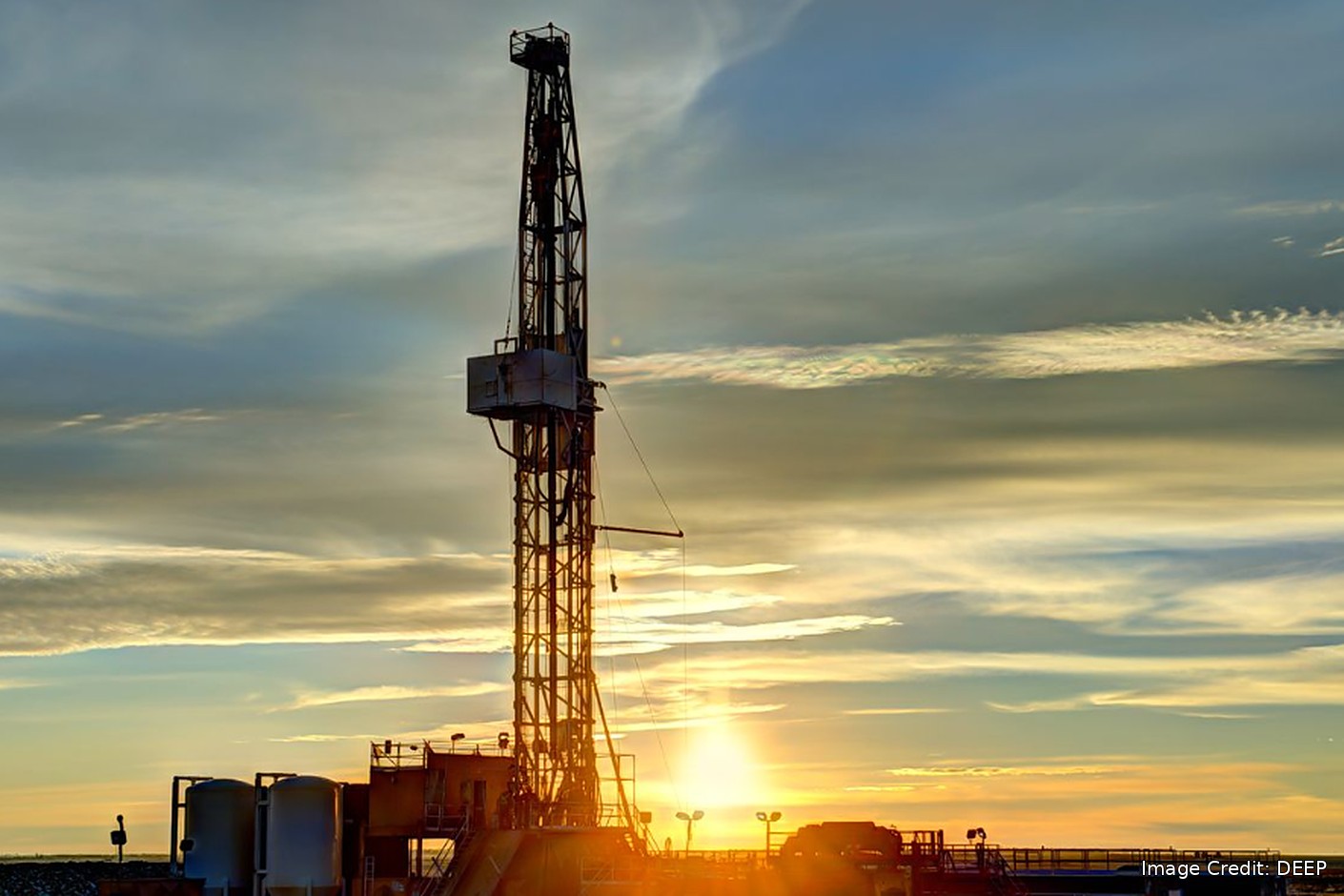
Working groups begin drafting Deep Geothermal Roadmap
Canada has an energy conundrum in the North: geothermal energy is the answer
Peter Massie and Jax Jacobsen
The Hill Times
Whitehorse sits atop a promising geothermal resource. Developing it would strengthen Canada’s national security and relations with Arctic allies.
NRCan’s call for test centre proposals a big opportunity for energy innovation
Canada invests in first national geothermal energy roadmap; Cascade Institute to lead coalition
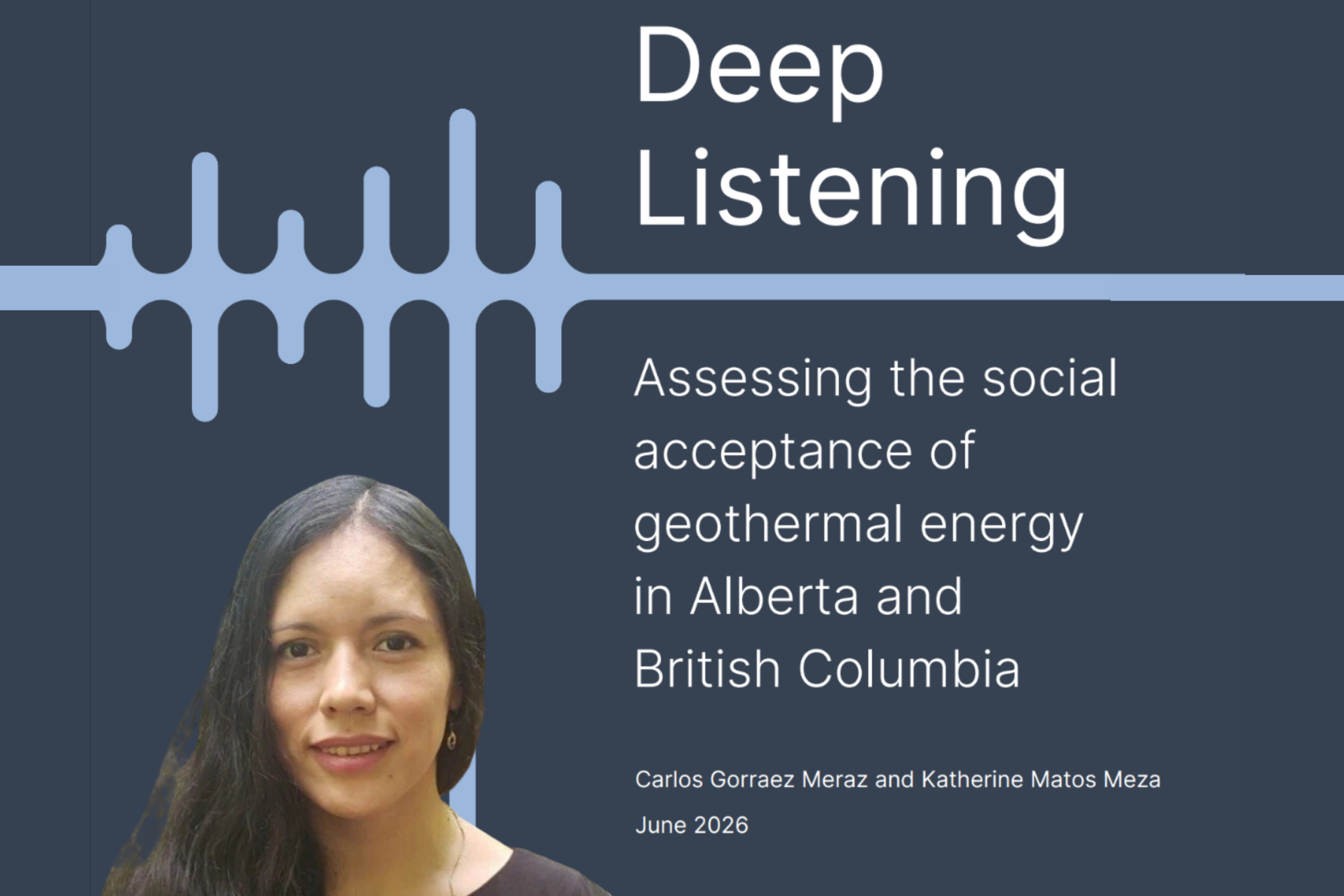
Researchers use “deep listening” to gauge geothermal sentiments
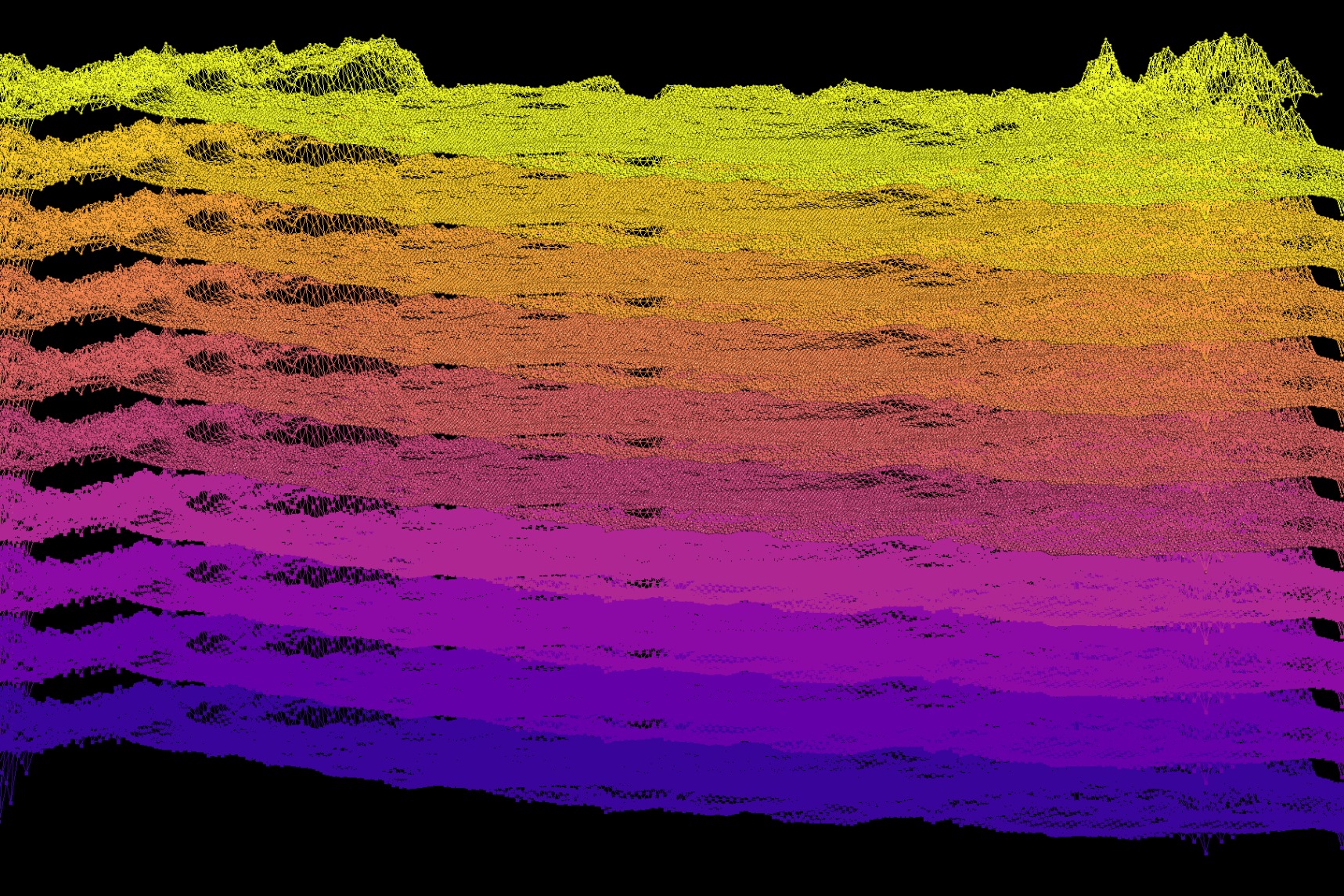
Cascade Institute partners with Seequent to map Canada’s geothermal resources
Meet the rock doctor modelling Canada’s geothermal opportunity
An energy scientist invites the world to Canada
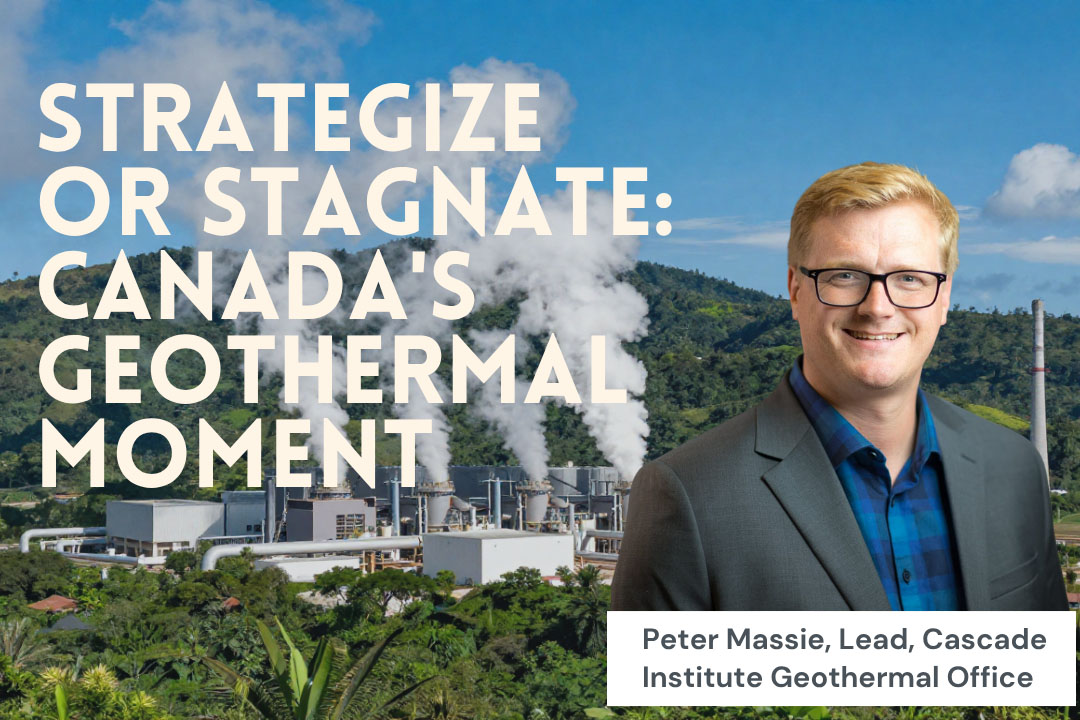
Strategize or Stagnate: Peter Massie on Canada’s geothermal moment
How Canada can help allies with the Iran oil shock: The answer may surprise you
Peter Massie and Emily Smejkel
The Globe and Mail
Next-generation geothermal energy could be Canada's strategic hedge amid global oil uncertainty.
Geothermal power is the key to cheaper energy in the Canadian Arctic
Gordon Brasnett, Leighton Gall, and Peter Massie
The Globe and Mail
To defend its sovereignty, Canada should launch Project AURORA – the Arctic Underground Research Observatory for Resource Advancement.
Can new tech finally wake Canada’s sleeping geothermal giant?
The National Observer
New technologies, geological know-how, and vast untapped resources are putting geothermal at Canada’s energy forefront, says an in-depth article in Canada’s National Observer.
Geothermal belongs in Canada’s industrial strategy
Emily Smejkal and Owen Henshaw
Times Colonist
Geothermal energy can meet domestic energy needs while positioning Canada as a global leader in clean energy services and technology.
How Canada can lead now in geothermal energy innovation
Emily Smejkal
The Future Economy
Canada is uniquely positioned to lead the next-generation geothermal energy boom by leveraging its oil and gas expertise, but it must act now with bold policy, investment, and coordination to seize the trillion-dollar opportunity.
Canada’s hidden heat: How regulations can power a geothermal breakthrough
Emily Smejkal
The National Observer
Provinces should act quickly to harmonize and extend geothermal regulations across the country.
How can Alberta and Ottawa be friends again? It begins with drilling
Peter Massie
The Globe and Mail
Drilling test centres in Alberta and Canada would establish the country as a global leader in geothermal power.
A bellwether for U.S. energy policy: Secretary of Energy Chris Wright’s approach to energy integration
Tim Bibby
Guest Commentary
U.S. Secretary of Energy Chris Wright's record has implications for Canada and beyond.
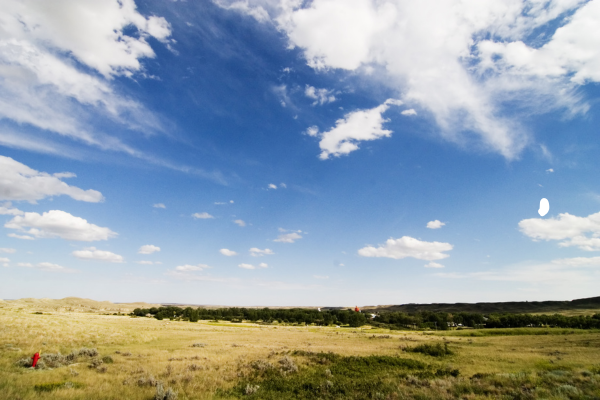
DEEP Earth Energy unveils next-gen geothermal plant near Estevan
Peter Massie
The Energy Mix
DEEP Earth Energy arrives on the Canadian geothermal power scene.
U.S. Department of Energy ARPA-E SUPERHOT program: Cascade Institute reaction
Deep Geothermal program team
Cascade Institute reaction
The U.S. Department of Energy announces a $30M SUPERHOT geothermal program.
Time to dig deep into a strategy for geothermal power
Peter Massie and Emily Smejkal
The Hill Times
Canada's opportunity to become a leader in geothermal power.
IEA Future of Geothermal report: Cascade Institute reaction
Cascade Institute Deep Geothermal program team
Recent technological innovations have dramatically expanded geothermal's potential as a significant contributor to global electricity generation. By 2050, experts project geothermal will emerge as the third-largest source of power growth in the global renewable energy landscape. (PDF).
The Alberta Drilling Accelerator has the potential to redefine energy innovation
Peter Massie
Technology breakthroughs have unlocked geothermal potential well beyond these limits. These breakthroughs have given geothermal a completely new value proposition. Read about the recent adoptions and advances in geothermal power (PDF).
Breaking new ground: Geothermal in 2024
Peter Massie
Cascade Institute analysis
Technology breakthroughs have given geothermal a completely new value proposition.
Key to Canada’s growth? Recall the role of public money in developing Alberta Oil
Emily Smejkal, Peter Massie, and Thomas Homer-Dixon
The Globe and Mail
The potential for Canada's AOSTRA model (Alberta Oil Sands Technology and Research Authority) to serve as a blueprint to support energy innovation.
Major Cascade Institute funding to power up geothermal energy in Canada
Deep Geothermal program team
Cascade Institute announcement
New funding massively upscales Canada’s R&D efforts in geothermal power.
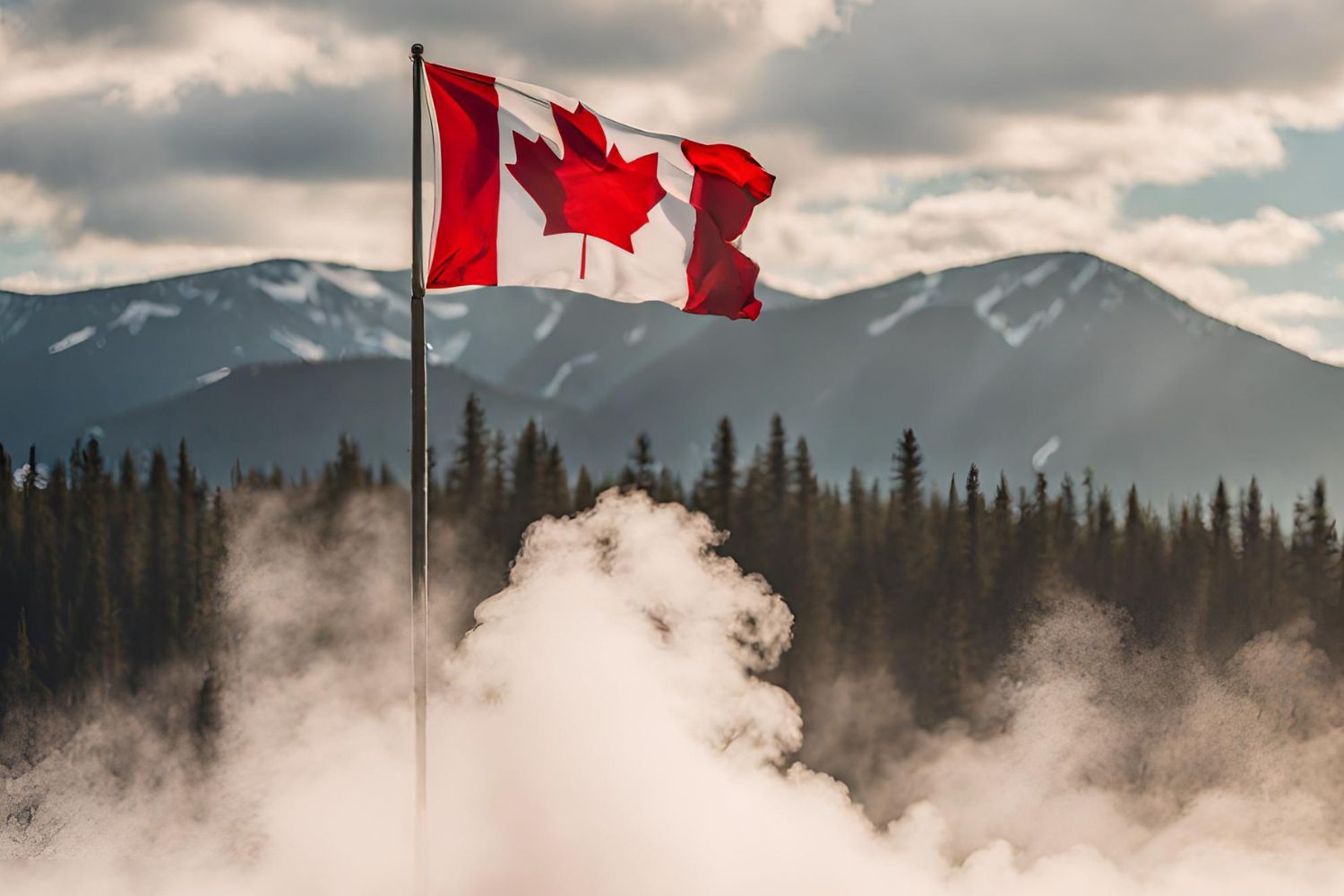
Deep geothermal superpower: Positioning Canada for a breakthrough in next-generation geothermal systems
Deep Geothermal program team
Cascade Institute announcement
The case for ultradeep geothermal energy and a strategic plan for Canada to capture this technological opportunity.
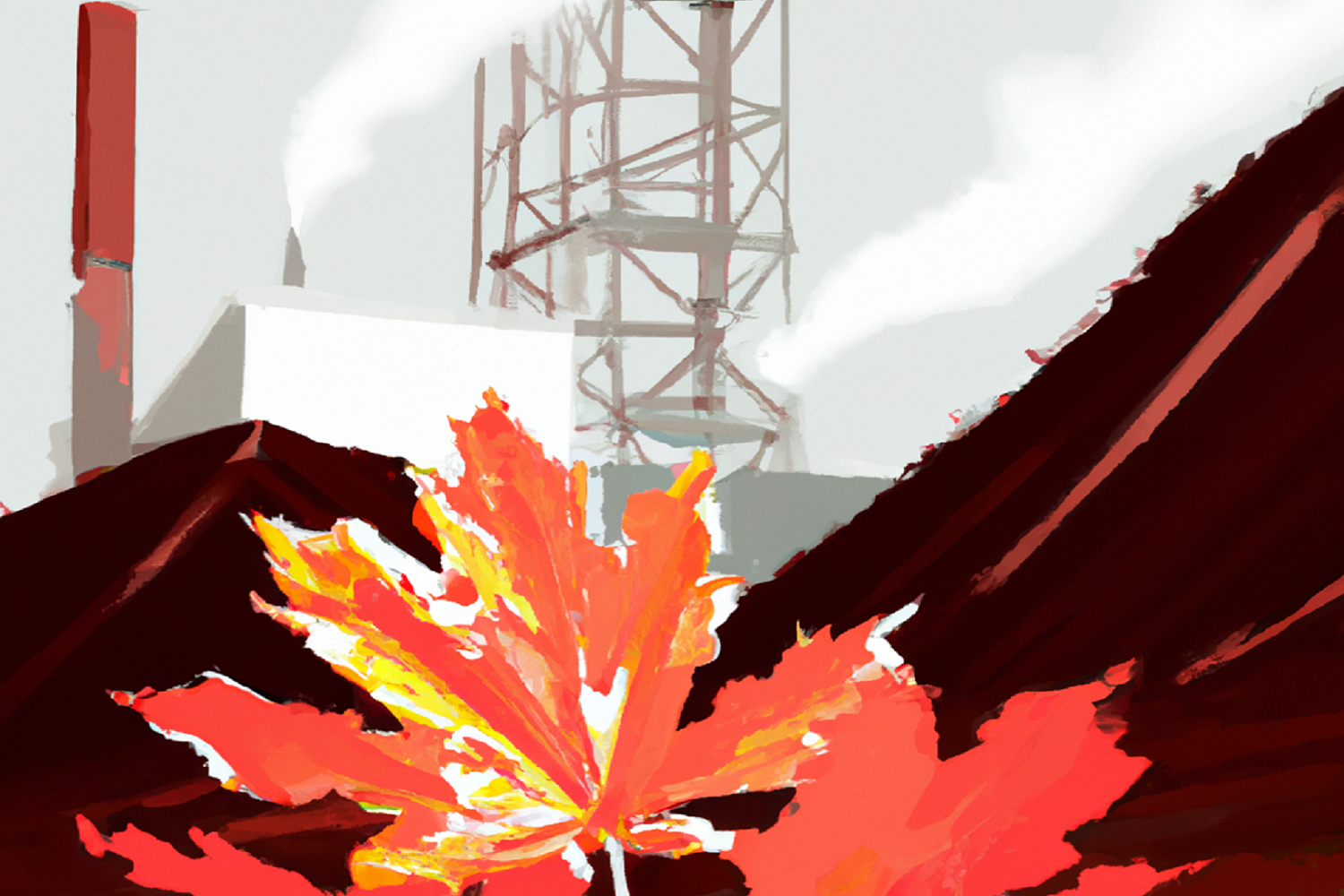
Canada needs to dig deep to become a world leader in geothermal technology
Rebecca Pearce and Ian Graham
The Globe and Mail
A worldwide race for next-generation geothermal technology has begun, and Canada can still emerge a leader.
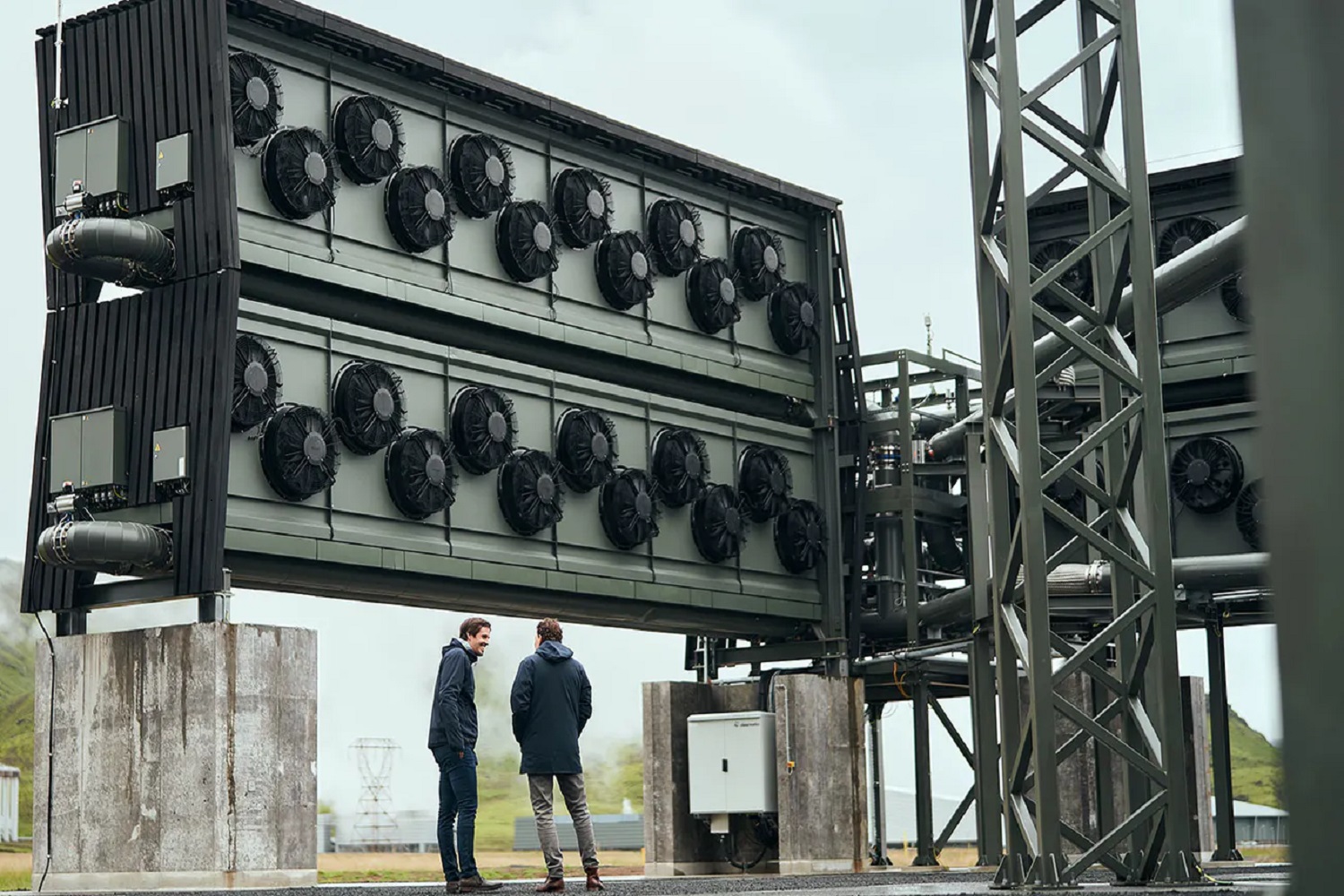
Every politically feasible pathway to net-zero requires a technological breakthrough
Scott Janzwood
The National Observer
Distrust of new technology runs deep in the climate movement. But we don’t have the critical green technologies we need to get us to net-zero by 2050—and assuming we do is wishful thinking.
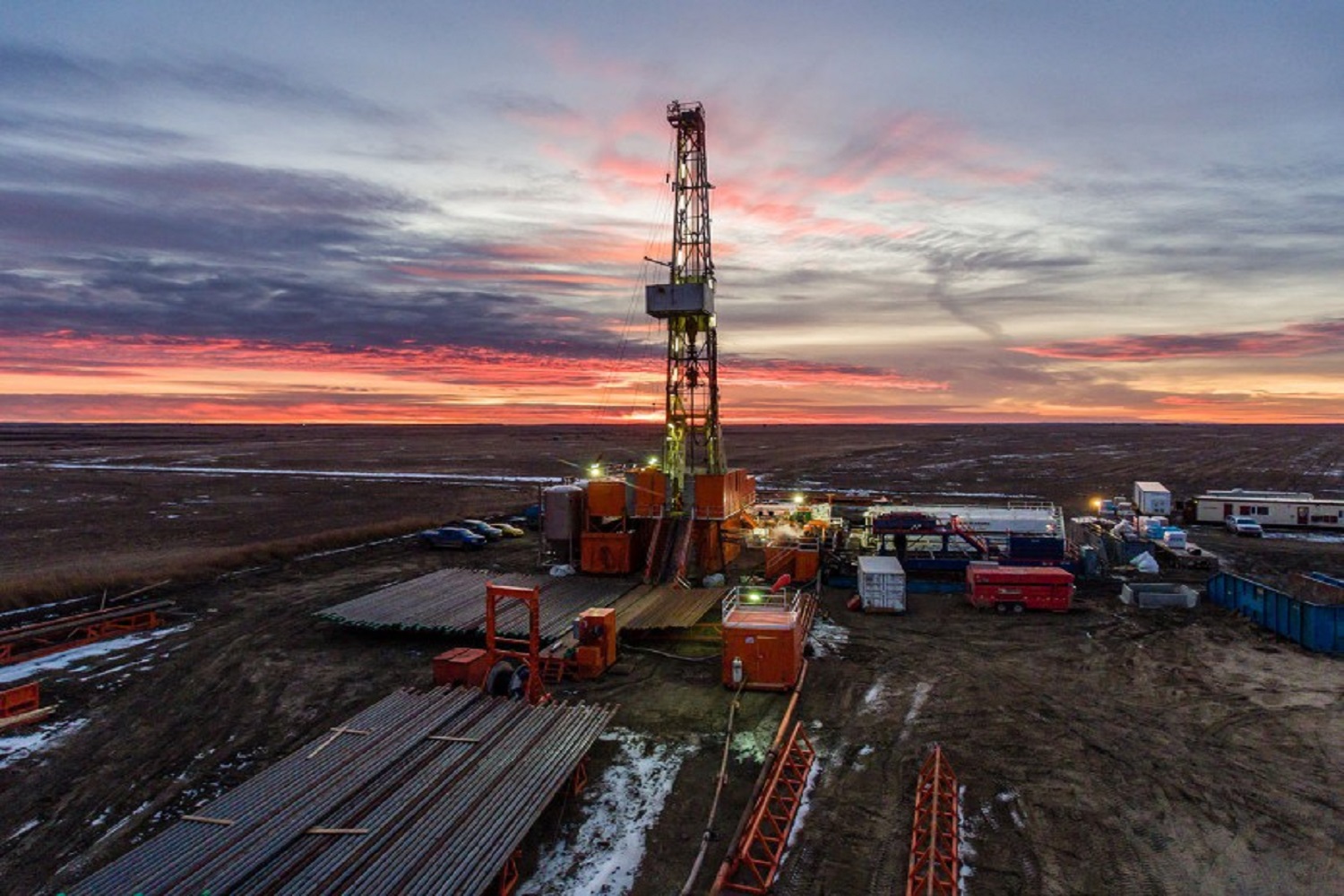
A big bet on geothermal could help prevent a climate catastrophe
Thomas Homer-Dixon, Ian Graham, and Ellen Quigley
The Globe and Mail
A government-industry research and development partnership in ultradeep geothermal would be a “moonshot” project that Canadians could rally around.
