
Port Community Energy Transformations
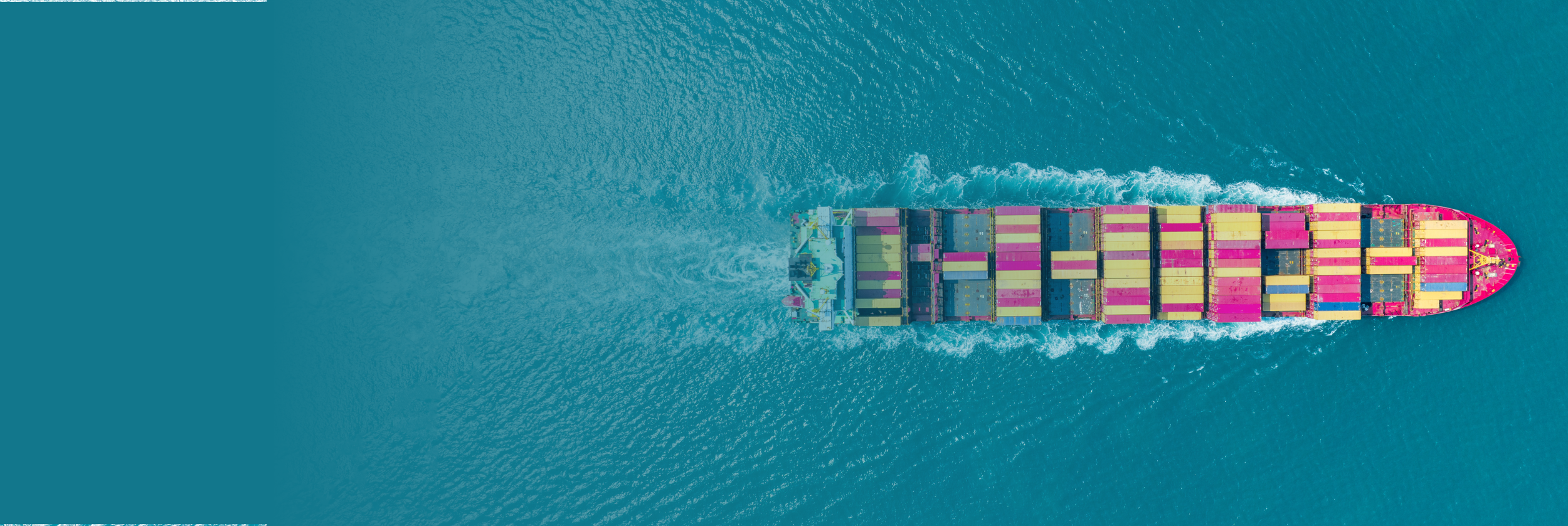
Port communities face uniquely complex energy transformations that involve three interconnected systems: the community, the port, and the energy transformation happening in shipping.
Traditional community energy planning tools aren't designed for this triple complexity. Port communities need frameworks and tools that can disentangle these three energy transformations while recognizing their deep interconnections and dependencies.
This project uses system mapping tools to make sense of these three entangled transformations, then applies them to real-world case studies to create actionable recommendations.
This research focuses on three key case studies that represent different scales, geographies, and energy challenges. Each case study will help us understand how community, port, and maritime energy systems interact and influence each other.
Our framework and tools can be adopted by policymakers and stakeholders to conduct their own energy transformation analysis, potentially accelerating sustainable energy transformations in port communities nationwide.
Dr. Simone Philpot
Dr. Simone Philpot is a Fellow with the Polycrisis program. She combines systems modelling with qualitative research, focusing on conflict modeling and decision analysis. She has previously applied her expertise to water resources management, aggregate mining, and marine shipping. She holds a PhD in Geography and Environmental Management, from the University of Waterloo.
Related Research: "Analysis of decision-making around sulfur regulation in marine shipping using the graph model for conflict resolution." Simone L. Philpot et. al.
Three systems
Community, port, maritime
Multi-province
Variety among case studies
Global impact
Exportable framework
This research is supported by the Accelerating Community Energy Transformation initiative, to which the Cascade Institute brings system theory analysis and complex problem-solving experience, unlocking high-leverage interventions including ultradeep geothermal to accelerate community energy transformation.
Other Polycrisis Research & Analysis
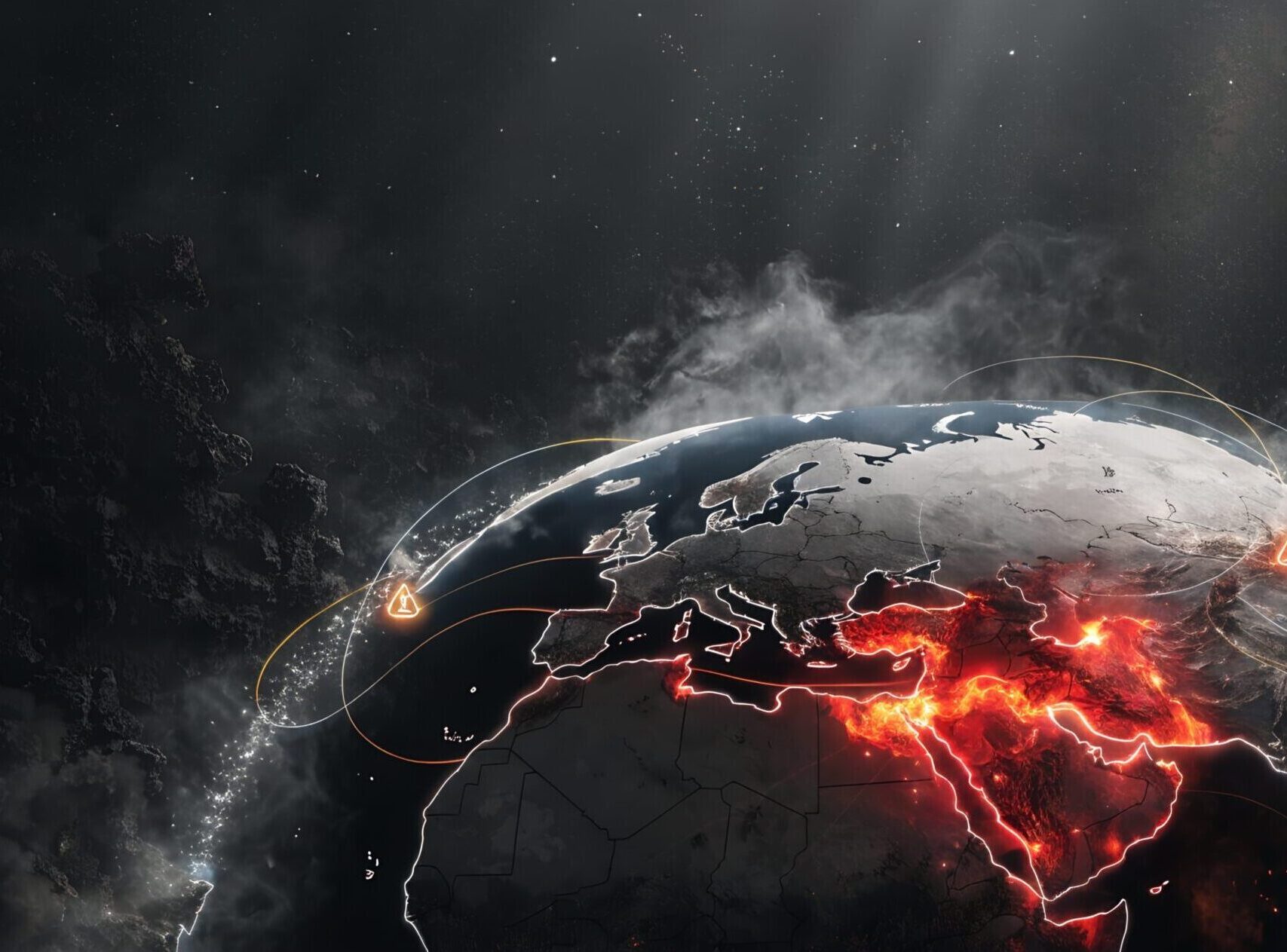
Navigating a Fragmenting World Order – Geopolitical and Geoeconomic Risks for Canadian Financial Institutions
Polycrisis program
Christopher Collins
Canadian financial institutions face a fragmenting global order shaped by geopolitical rivalry, economic coercion, trade fragmentation, sanctions and growing conflict risks.
AI and Data Centre Risks for Canadian Financial Institutions
Polycrisis program
Christopher Collins
An integrated assessments of how artificial intelligence and the physical infrastructure behind it are reshaping risk for Canadian financial institutions.
Global Systemic Stresses: Understanding the drivers of polycrisis
Polycrisis program
Michael Lawrence, Megan Shipman, and Chris Collins
A Global Risk Institute research report of the longer-term systemic stresses driving the polycrisis.
Global polycrisis: The causal mechanisms of crisis entanglement
Polycrisis program
Michael Lawrence, Thomas Homer-Dixon, Scott Janzwood, Johan Rockström, Ortwin Renn, and Jonathan F. Donges
A peer-reviewed paper, published in Cambridge University Press's Global Sustainability journal, which defines the concept of global polycrisis and provides a theoretical framework to explain causal mechanisms currently entangling many of the world’s crises.
Impact 2024: How Donald Trump’s reelection could amplify global inter-systemic risk
Polycrisis program
Thomas Homer-Dixon, Michael Lawrence, Megan Shipman, Luke Kemp
A technical paper assessing how a second Trump administration could supercharge global political, economic, geopolitical, environmental, and pandemic risks and how those risks could combine to exacerbate the global polycrisis.
Polycrisis Research and Action Roadmap
Polycrisis program
Michael Lawrence, Megan Shipman, Scott Janzwood, Constantin Arnscheidt, Jonathan Donges, Thomas Homer-Dixon, Christian Otto, Pia-Johanna Schweizer, Nico Wunderling
This report offers a concise yet comprehensive snapshot of the emerging field of polycrisis analysis, including gaps, opportunities, and potential priorities.
Positive Pathways through Polycrisis
Michael Lawrence and Megan Shipman
A report exploring how polycrisis analysis can help us navigate through polycrisis and pursue "positive pathways" to better futures.
Causal Loop Diagrams Handbook

Introduction to Polycrisis Analysis
Michael Lawrence, Megan Shipman, and Thomas Homer-Dixon
An introduction to Cascade Institute’s framework for polycrisis analysis, intended to help governments, firms, and communities assess global risks and respond to emerging threats more effectively.
What is a global polycrisis?
Michael Lawrence, Scott Janzwood, and Thomas Homer-Dixon
A discussion paper that argues that the concept of “global polycrisis” provides a useful framework with which to understand and address major problems afflicting humanity today.
A call for an international research program on the risk of a global polycrisis
Thomas Homer-Dixon, Ortwin Renn, Johan Rockström, Jonathan F. Donges, and Scott Janzwood
A paper calling for a research program to investigate this moment’s seemingly sharp amplification, acceleration, and synchronization of systemic risks.
Max – a thought experiment: Could AI run the economy better than markets?
Edward A. (Ted) Parson
This paper explores how recent advances in AI have re-opened questions around the feasibility and desirability of central economic planning. It presents a thought experiment about how an AI-directed economy might work, based on a powerful AI agent (whimsically named “Max”).POLYCRISIS News & Views
The State of AI Global Governance and Its Implications for the U.S.-China Summit
Christopher Collins
CSIS
A new report maps the contest between U.S.- and Chinese-led visions for governing AI, ahead of landmark U.S.-China talks on AI safety.
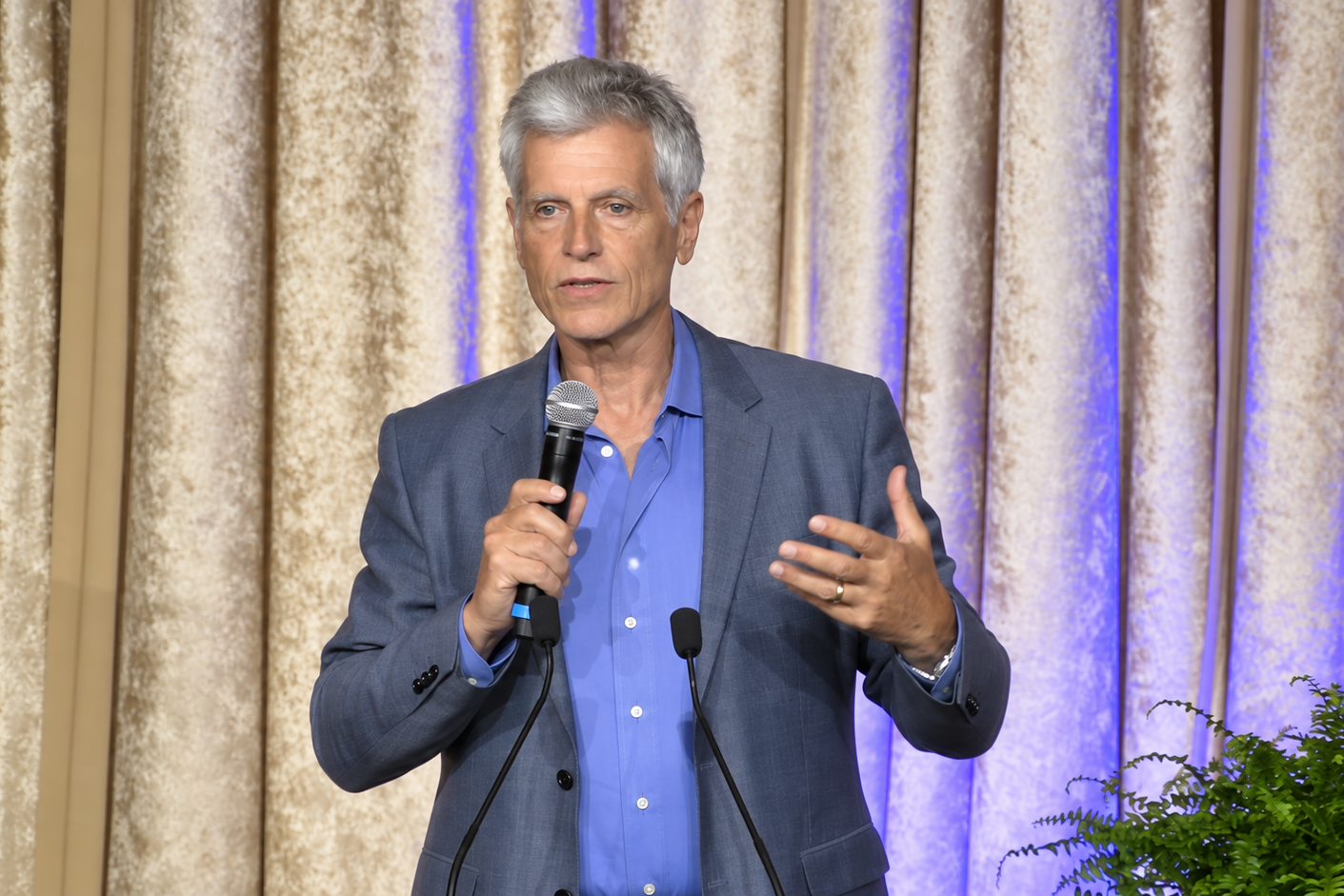
Thomas Homer-Dixon delivers Victoria Forum plenary on polycrisis and hope
Wealthsimple’s pivot into risky business reflects young Canadians’ financial nihilism
Christopher Collins
The Globe and Mail
Wealthsimple’s move into prediction markets is responding to real demand, and that demand says something troubling about how young Canadians see their economic future.
With SK Hynix, Korean Market Volatility Won’t Stay Local
Christopher Collins
Barron’s
SK Hynix’s record-breaking Nasdaq debut ties American portfolios to the swings of the Korean market.
Indexes Rewrote the Rules for Musk. Ordinary Americans Are Left Holding the Bag.
Christopher Collins
Barron’s
SpaceX’s fast-tracked entry into the major stock indexes will force passive funds to buy at peak hype, leaving ordinary investors holding the risk.
The flashing-red bond market is the thread that may unravel the entire world economy
Christopher Collins
The Globe and Mail
The U.S. bond market may be the first major thread pulled in a global financial polycrisis, writes Cascade's Christopher Collins.

Donald Trump’s chaotic mess: When U.S. power serves the ‘sultan,’ global rules erode
Christopher Collins
The Conversation
How the U.S. engages the wider world could be termed “sultanism with American characteristics.”
Europe Needs to Get Serious About Its Defense. A New Bank Is the Answer.
Christopher Collins and Mike O'Sullivan
Barron's
Europe’s current defense financing tools fall short, and a new multilateral bank could unlock capital to strengthen its military readiness.

Punishing young Canadians for leaving doesn’t solve the problem
Christopher Collins
The Globe and Mail
Canada shouldn’t try to stop young talent from leaving, but instead build a stronger economy that attracts them to stay or return.
Cascade researchers warn of “bad-to-worse” crises in The New Republic
Thomas Homer-Dixon and Christopher Collins
The New Republic
The knock-on effects from the Iran war are intersecting with other crises and destabilizing the world. The worst may be yet to come.
How Canada can help allies with the Iran oil shock: The answer may surprise you
Peter Massie and Emily Smejkel
The Globe and Mail
Next-generation geothermal energy could be Canada's strategic hedge amid global oil uncertainty.

What we can learn about AI from Moltbook
Christopher Collins and Matt Boulous
The Globe and Mail
Moltbook’s wild experiment is a warning that the most imminent threat is chaos and lack of accountability.

Can neuroscience shed light on Trump’s new world disorder?
Megan Shipman and David Mitchell
The Globe and Mail
American military aggression is now driven by Donald Trump’s hunt for dopamine rewards, conditioned by recent high-stakes military strikes on Iran and Venezuela.
Canada must consider the risk of U.S. coercion
Thomas Homer-Dixon and Adam Gordon
The Globe and Mail
Canadians must confront the new reality that the U.S. could use military coercion against Canada, argues a Globe and Mail op-ed co-authored by Cascade Institute Executive Director Thomas Homer-Dixon and Adam Gordon, an affiliated Cascade researcher and former legal adviser to Canada’s Minister of Foreign Affairs.

Welcome to the Polycene
Thomas Friedman
The New York Times
The Polycene, Friedman writes, “will be the first era in which humanity must govern, innovate, collaborate and coexist at a planetary scale in order to thrive.”

Crisis and resilience: An interview with Thomas Homer-Dixon
Scott Douglas Jacobsen
Insight Publishing
How complexity science can help us make sense of today’s interconnected global challenges.
AI disruption points to higher taxes on big tech
Christopher Collins and Matt Gerken
Investment Week
AI’s disruption of jobs will spur governments to raise taxes on Big Tech to support displaced workers.
Anti-democratic ‘Dark Enlightenment’ ideas have spread from Silicon Valley to Washington
Christopher Collins
The Globe and Mail
A spotlight on the growing influence of the anti-democratic 'Dark Enlightenment' philosophy among U.S. tech and political elites and its potential consequences for Canada.

If you want peace, prepare for war—an ancient lesson Canada must remember
Thomas Homer-Dixon
The Globe and Mail
President Trump's threats to Canadian sovereignty demand a serious response.

Governing in a complex world series: Explaining the global polycrisis
Thomas Homer-Dixon
Canada School of Public Service
The impacts of a global polycrisis on governance systems and the Government of Canada.
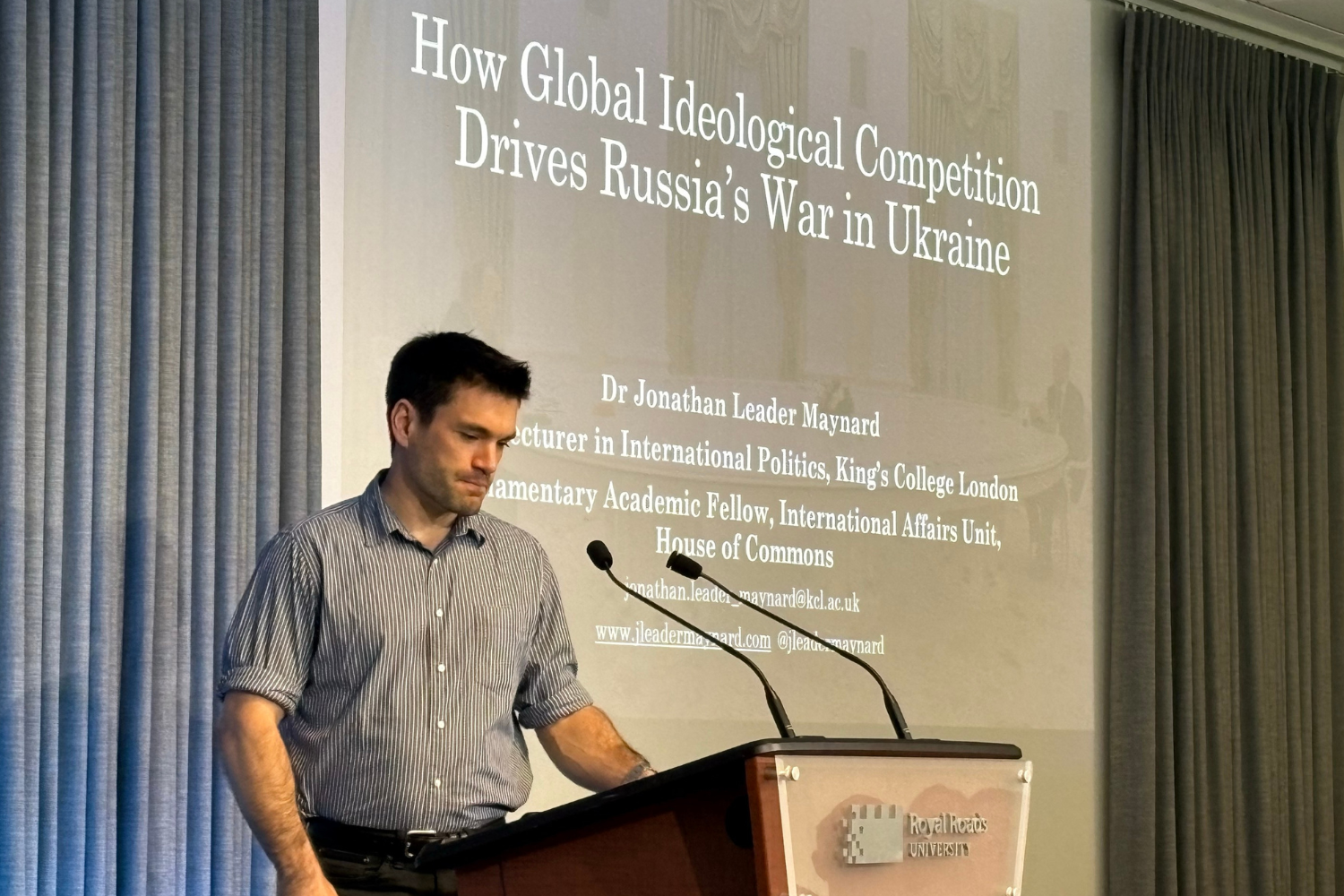
Understanding the ideological drivers of Russia’s war in Ukraine
Jonathan Leader Maynard
Cascade Institute Speaker Series
The critical role of ideology in Russia's war against Ukraine.

Trump Redux: Why the returning president is likely to become one of history’s most consequential figures
Thomas Homer-Dixon
The Globe and Mail
As “reconfigurer-in-chief," Donald Trump will be a world-historical figure.

Can we prevent Trump 2.0 from spiralling into catastrophe?
Megan Shipman and Michael Lawrence
The Globe and Mail
Donald Trump could activate vicious cycles in global systems and propel calamities that long outlive his second term.
Why so much is going wrong at the same time
Thomas Homer-Dixon
Vox
The world is in a polycrisis generated by novel and unprecedented conditions.
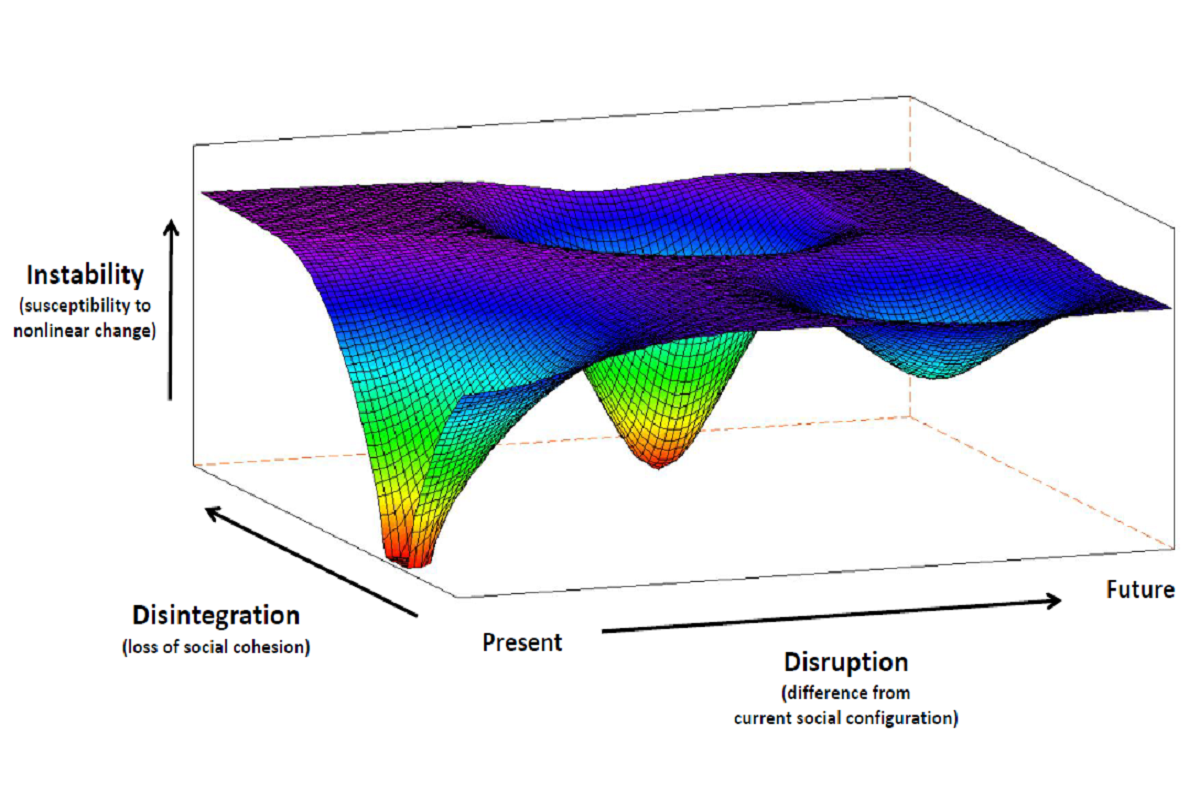
Getting to enough
Presentation by Thomas Homer-Dixon
A graphical illustration of the dilemma that's destroying our world—and how we're going to solve it.
A hub for the growing polycrisis community
Megan Shipman and Scott Janzwood
Polycrisis program announcement
Polycrisis.org: A hub for a the polycrisis community to converge on priorities for research and action.
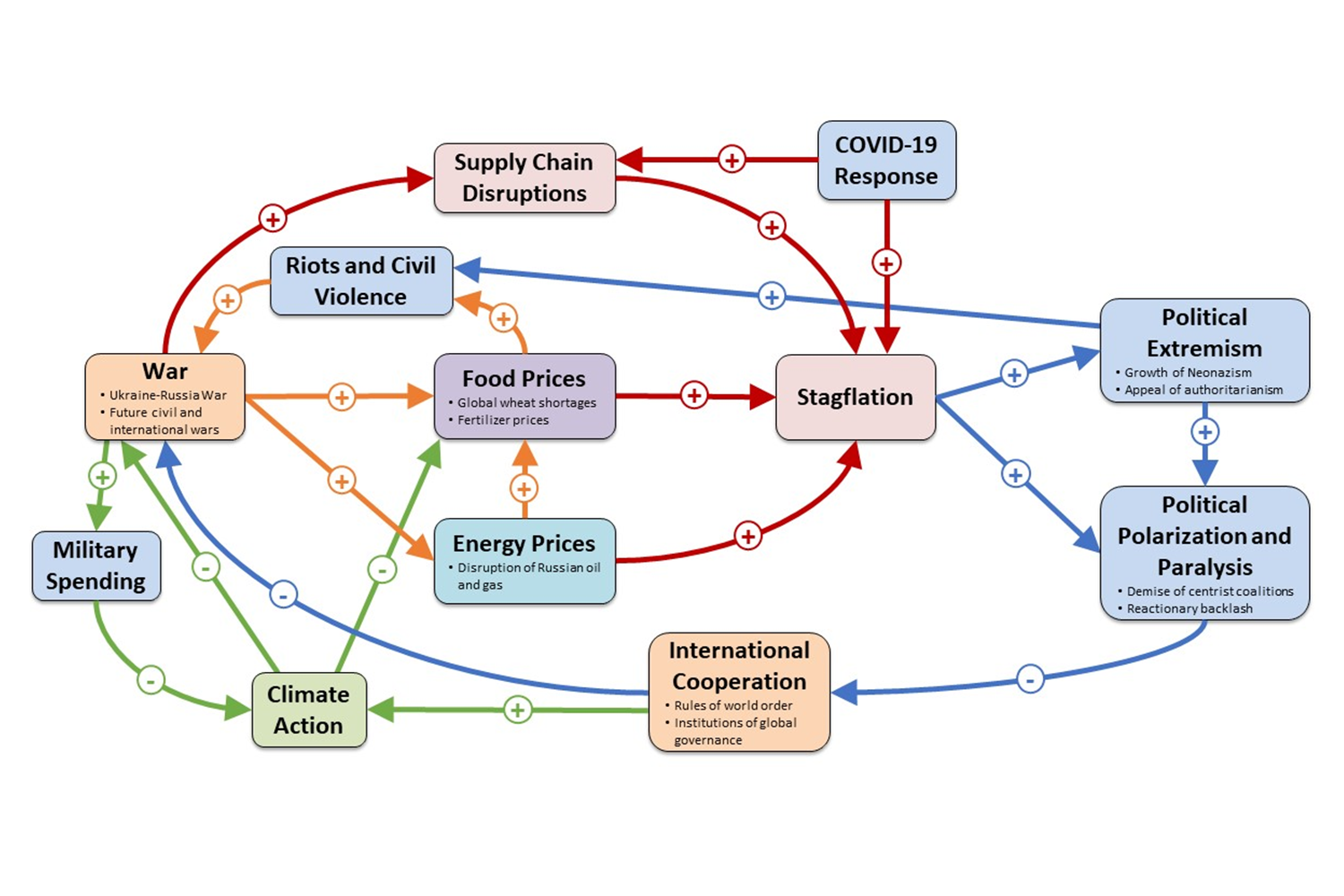
Mapping the global systemic consequences of the Ukraine-Russia war
Systems map by Michael Lawrence
A systems diagram charting the knock-on effects of the Ukraine-Russia War — and the vicious cycles that are emerging from them.
What happens when a cascade of crises collide?
Thomas Homer-Dixon and Johan Rockström
The New York Times
Today’s mess is best understood as a global polycrisis—a term which implies that humanity is dealing with a complex knot of seemingly distinct but actually deeply entangled crises.
Instead of lurching from one catastrophe to the next, B.C. needs to understand how its crises are linked
Thomas Homer-Dixon and Robin Cox
The Globe and Mail
We need to improve how we marshal, integrate, apply and communicate the best knowledge about B.C.’s emerging risks – those known and anticipated, as well as those unexpected and even currently unimaginable.
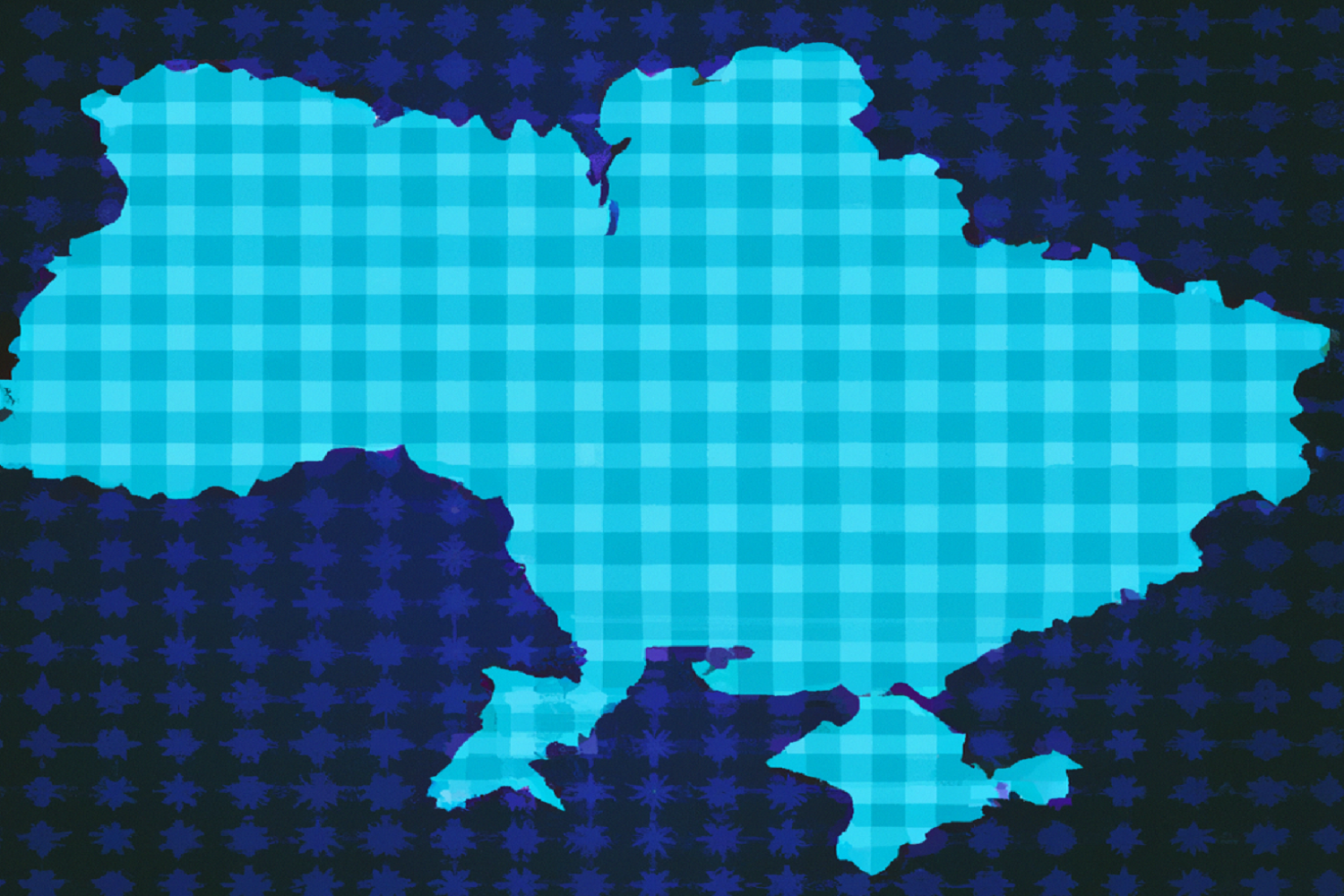
The global systemic consequences of the Ukraine-Russia War: Part I
Cascade Institute
Ukraine-Russia War Expert Panel
The first briefing of the Ukraine-Russia War Expert Panel

Webinar: Beneath the surface — Social acceptance of geothermal systems in Western Canada
Working groups begin drafting Deep Geothermal Roadmap

Canada has an energy conundrum in the North: geothermal energy is the answer
Peter Massie and Jax Jacobsen
The Hill Times
Whitehorse sits atop a promising geothermal resource. Developing it would strengthen Canada’s national security and relations with Arctic allies.
NRCan’s call for test centre proposals a big opportunity for energy innovation

Canada invests in first national geothermal energy roadmap; Cascade Institute to lead coalition
Researchers use “deep listening” to gauge geothermal sentiments
Cascade Institute partners with Seequent to map Canada’s geothermal resources

Meet the rock doctor modelling Canada’s geothermal opportunity
An energy scientist invites the world to Canada
Strategize or Stagnate: Peter Massie on Canada’s geothermal moment
How Canada can help allies with the Iran oil shock: The answer may surprise you
Peter Massie and Emily Smejkel
The Globe and Mail
Next-generation geothermal energy could be Canada's strategic hedge amid global oil uncertainty.
Geothermal power is the key to cheaper energy in the Canadian Arctic
Gordon Brasnett, Leighton Gall, and Peter Massie
The Globe and Mail
To defend its sovereignty, Canada should launch Project AURORA – the Arctic Underground Research Observatory for Resource Advancement.
Can new tech finally wake Canada’s sleeping geothermal giant?
The National Observer
New technologies, geological know-how, and vast untapped resources are putting geothermal at Canada’s energy forefront, says an in-depth article in Canada’s National Observer.
Geothermal belongs in Canada’s industrial strategy
Emily Smejkal and Owen Henshaw
Times Colonist
Geothermal energy can meet domestic energy needs while positioning Canada as a global leader in clean energy services and technology.
How Canada can lead now in geothermal energy innovation
Emily Smejkal
The Future Economy
Canada is uniquely positioned to lead the next-generation geothermal energy boom by leveraging its oil and gas expertise, but it must act now with bold policy, investment, and coordination to seize the trillion-dollar opportunity.
Canada’s hidden heat: How regulations can power a geothermal breakthrough
Emily Smejkal
The National Observer
Provinces should act quickly to harmonize and extend geothermal regulations across the country.
How can Alberta and Ottawa be friends again? It begins with drilling
Peter Massie
The Globe and Mail
Drilling test centres in Alberta and Canada would establish the country as a global leader in geothermal power.
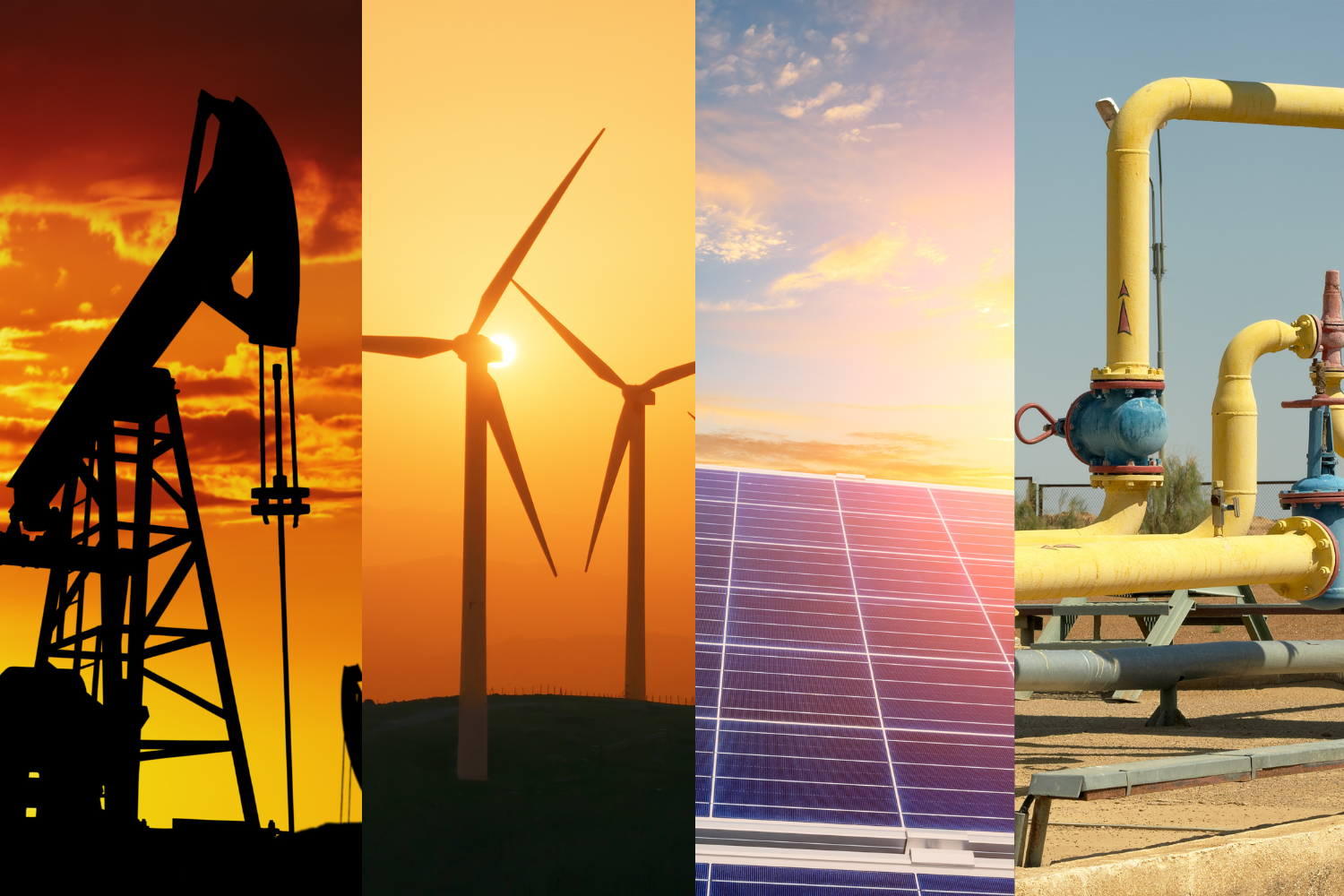
A bellwether for U.S. energy policy: Secretary of Energy Chris Wright’s approach to energy integration
Tim Bibby
Guest Commentary
U.S. Secretary of Energy Chris Wright's record has implications for Canada and beyond.
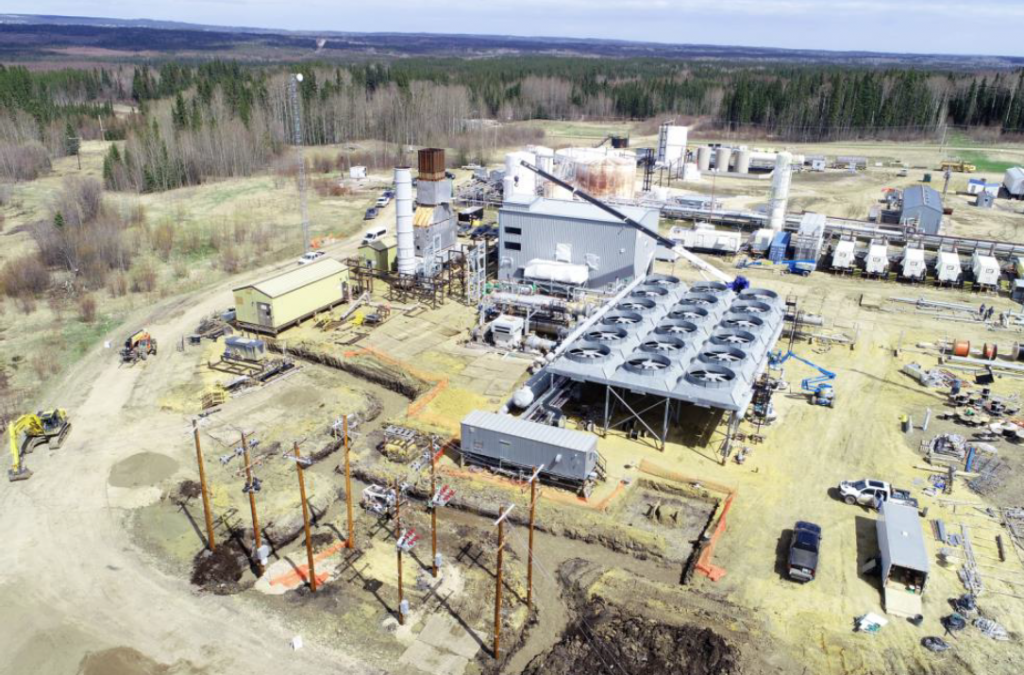
DEEP Earth Energy unveils next-gen geothermal plant near Estevan
Peter Massie
The Energy Mix
DEEP Earth Energy arrives on the Canadian geothermal power scene.
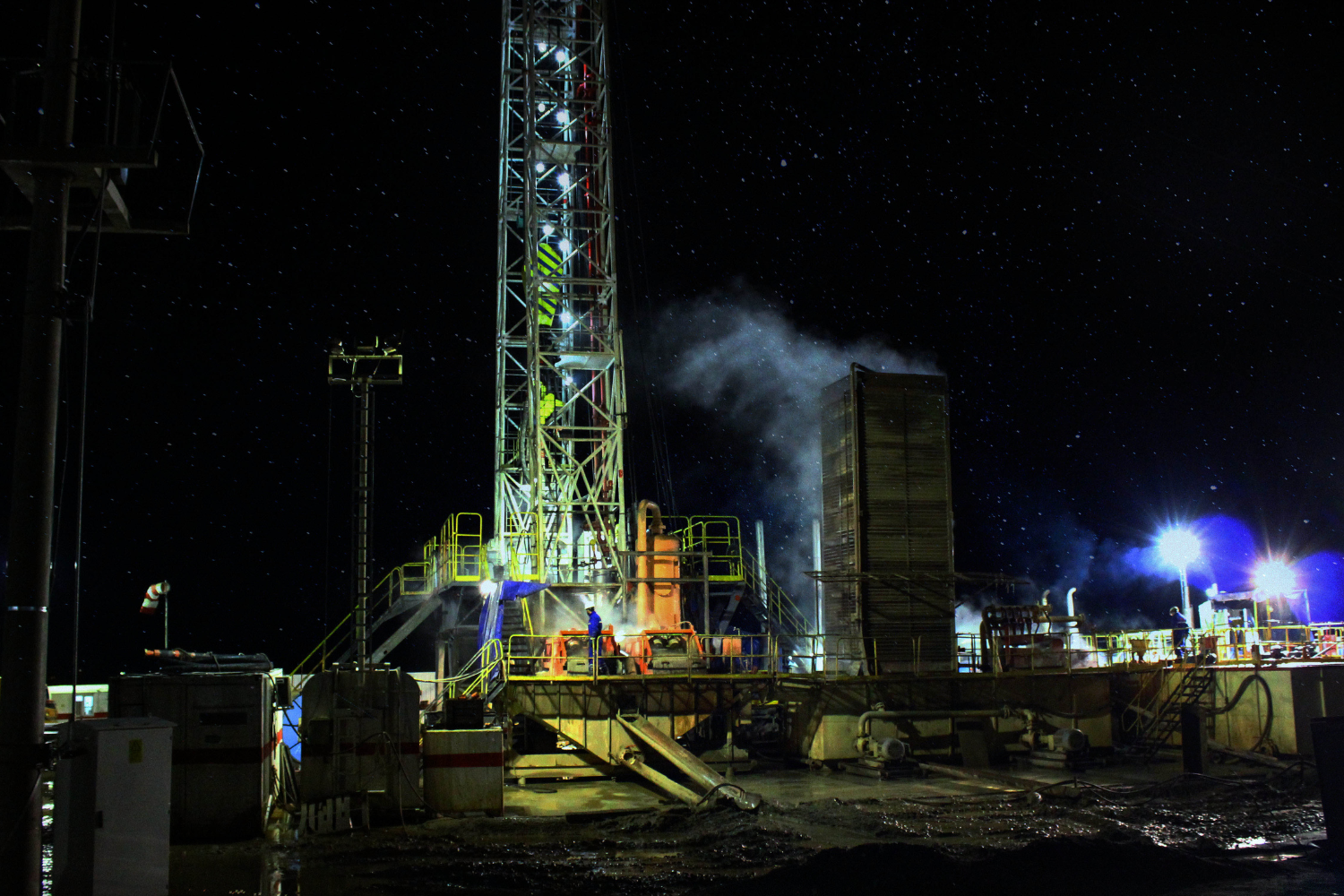
U.S. Department of Energy ARPA-E SUPERHOT program: Cascade Institute reaction
Deep Geothermal program team
Cascade Institute reaction
The U.S. Department of Energy announces a $30M SUPERHOT geothermal program.
Time to dig deep into a strategy for geothermal power
Peter Massie and Emily Smejkal
The Hill Times
Canada's opportunity to become a leader in geothermal power.
IEA Future of Geothermal report: Cascade Institute reaction
Cascade Institute Deep Geothermal program team
Recent technological innovations have dramatically expanded geothermal's potential as a significant contributor to global electricity generation. By 2050, experts project geothermal will emerge as the third-largest source of power growth in the global renewable energy landscape. (PDF).
The Alberta Drilling Accelerator has the potential to redefine energy innovation
Peter Massie
Technology breakthroughs have unlocked geothermal potential well beyond these limits. These breakthroughs have given geothermal a completely new value proposition. Read about the recent adoptions and advances in geothermal power (PDF).
Breaking new ground: Geothermal in 2024
Peter Massie
Cascade Institute analysis
Technology breakthroughs have given geothermal a completely new value proposition.

Key to Canada’s growth? Recall the role of public money in developing Alberta Oil
Emily Smejkal, Peter Massie, and Thomas Homer-Dixon
The Globe and Mail
The potential for Canada's AOSTRA model (Alberta Oil Sands Technology and Research Authority) to serve as a blueprint to support energy innovation.
Major Cascade Institute funding to power up geothermal energy in Canada
Deep Geothermal program team
Cascade Institute announcement
New funding massively upscales Canada’s R&D efforts in geothermal power.
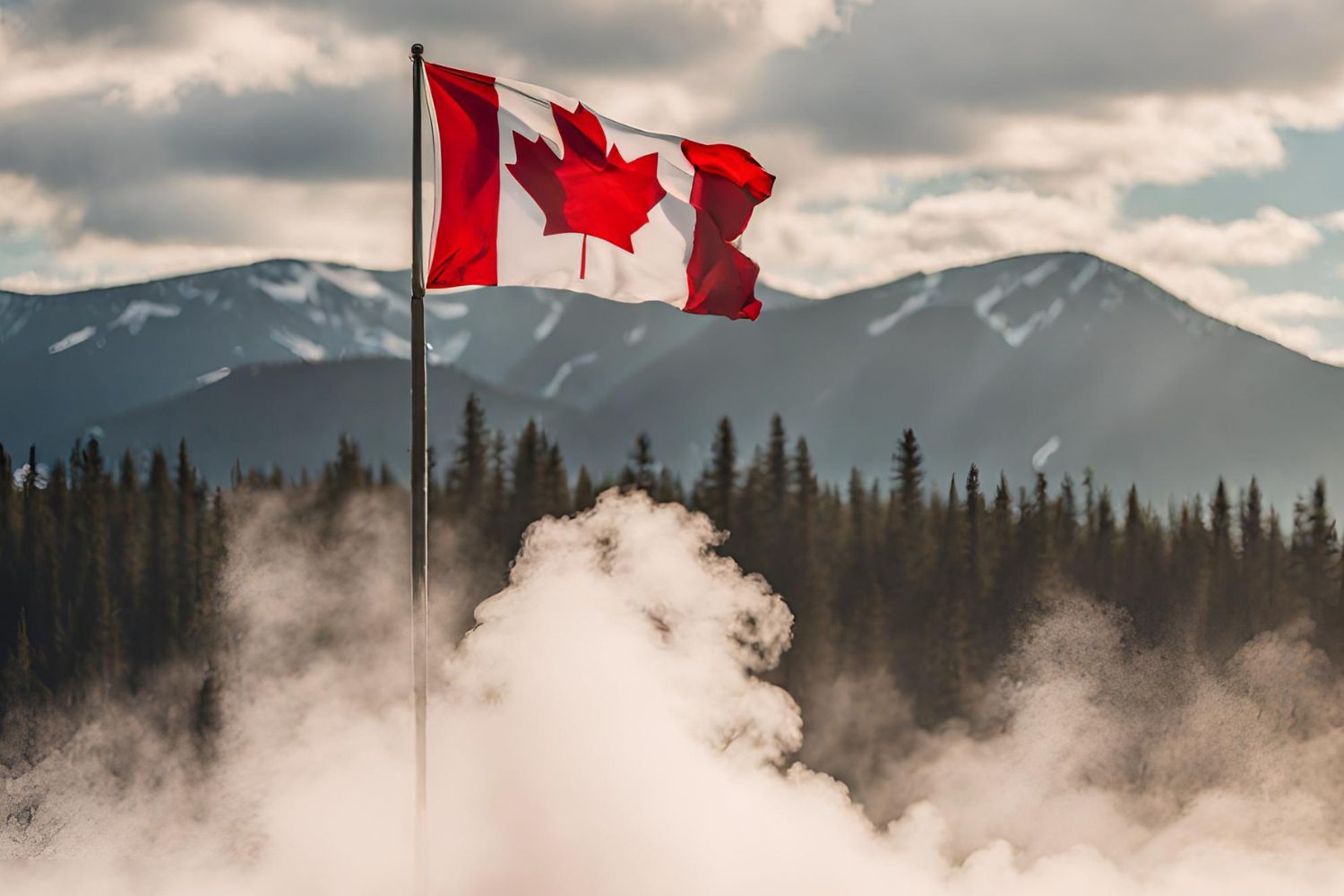
Deep geothermal superpower: Positioning Canada for a breakthrough in next-generation geothermal systems
Deep Geothermal program team
Cascade Institute announcement
The case for ultradeep geothermal energy and a strategic plan for Canada to capture this technological opportunity.
Canada needs to dig deep to become a world leader in geothermal technology
Rebecca Pearce and Ian Graham
The Globe and Mail
A worldwide race for next-generation geothermal technology has begun, and Canada can still emerge a leader.
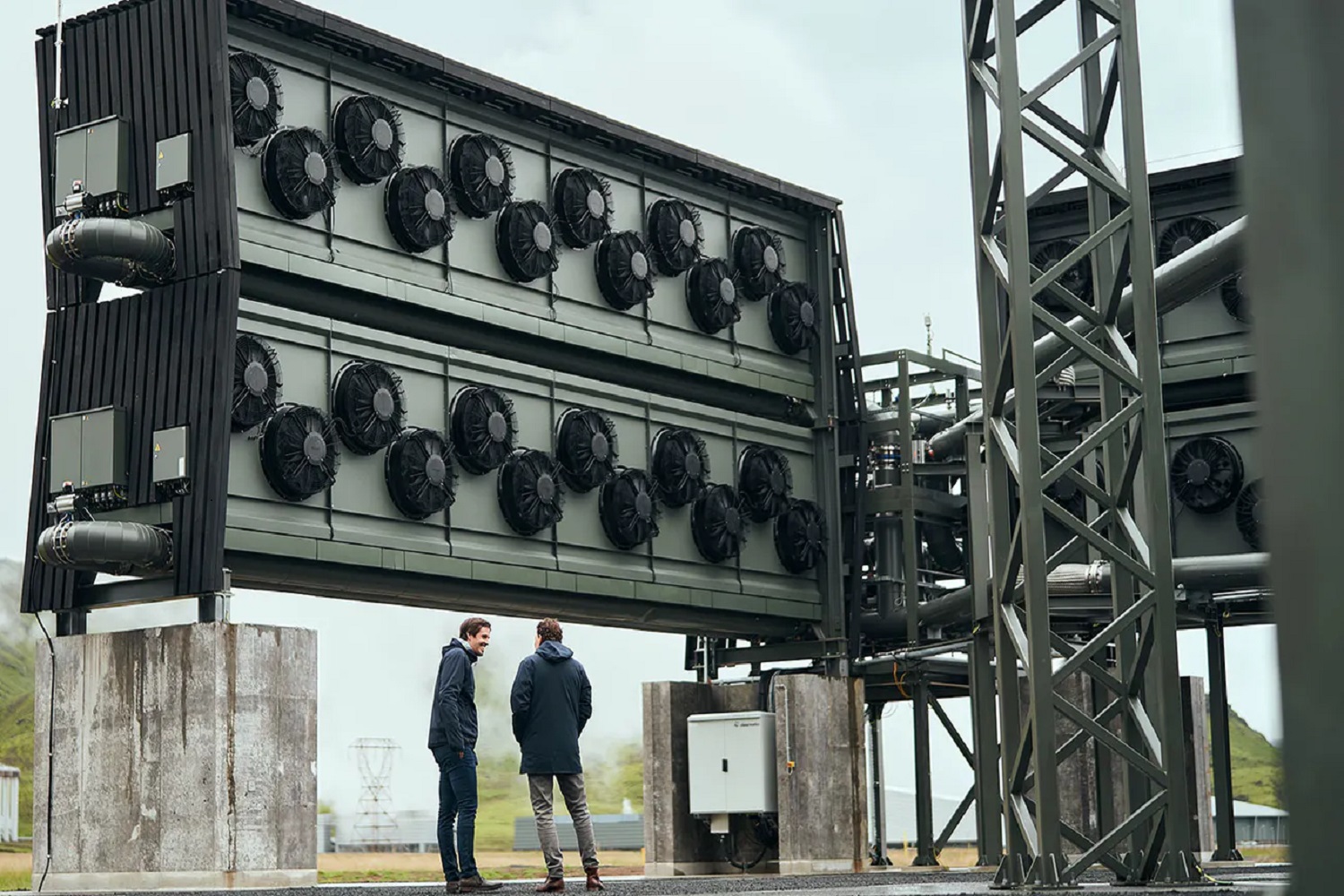
Every politically feasible pathway to net-zero requires a technological breakthrough
Scott Janzwood
The National Observer
Distrust of new technology runs deep in the climate movement. But we don’t have the critical green technologies we need to get us to net-zero by 2050—and assuming we do is wishful thinking.
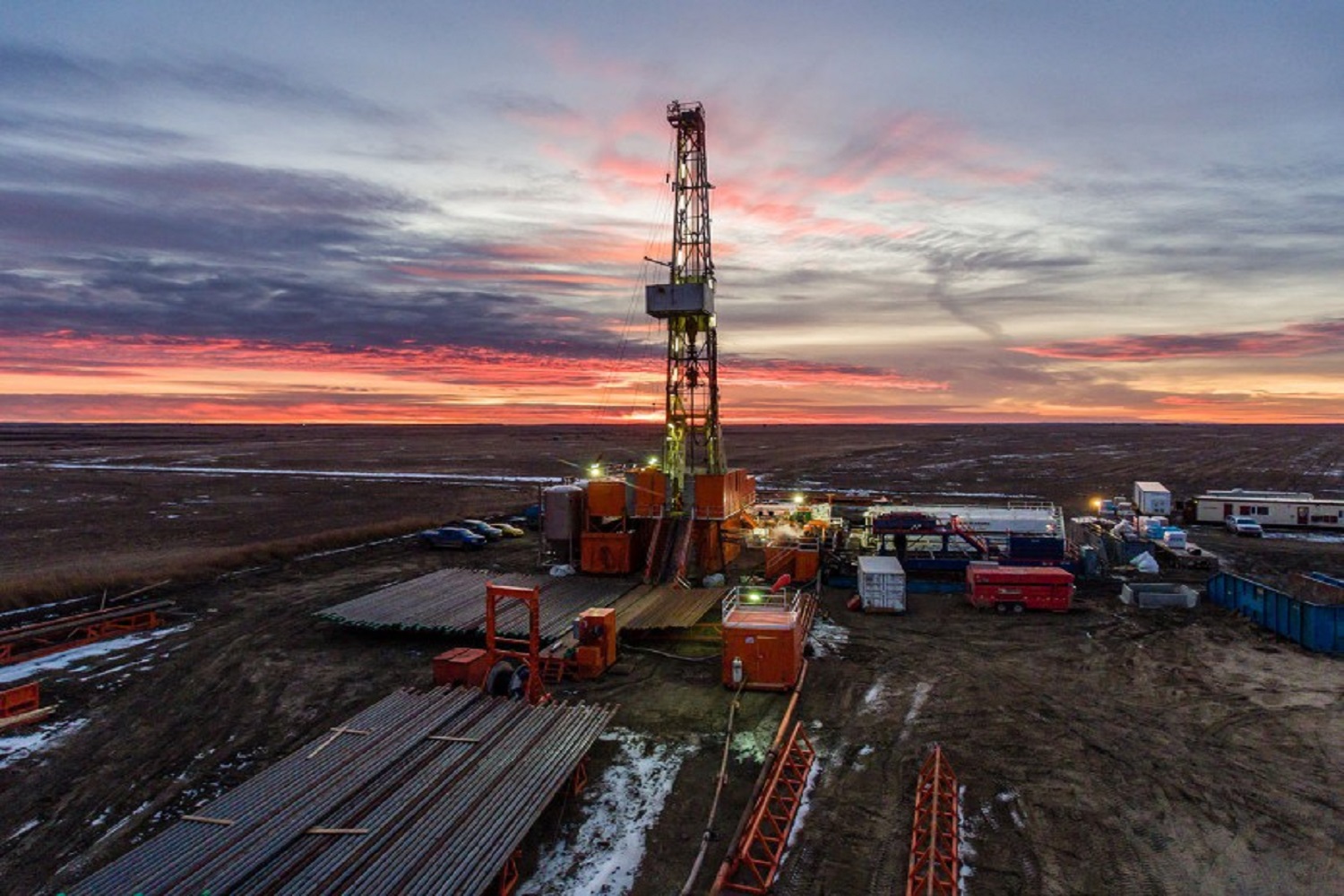
A big bet on geothermal could help prevent a climate catastrophe
Thomas Homer-Dixon, Ian Graham, and Ellen Quigley
The Globe and Mail
A government-industry research and development partnership in ultradeep geothermal would be a “moonshot” project that Canadians could rally around.
